
Introduction
Artificial intelligence has moved from experimentation to execution across B2B organizations. In 2026, AI is no longer confined to innovation teams or pilot programs. It is embedded into revenue operations, customer engagement, financial planning, and internal workflows. As this shift accelerates, a new priority is emerging at the center of enterprise conversations. That priority is control.
The early phase of AI adoption focused heavily on capability. Organizations asked what AI could do. Today, the question has evolved. Organizations are now asking how AI behaves, how it accesses data, and how decisions made by AI systems can be trusted and governed.
This shift toward governance and control is becoming one of the most important factors influencing B2B technology decisions in 2026.
The Evolution of AI Concerns in B2B
When AI tools first entered enterprise environments, the primary focus was on productivity. Teams used AI to generate content, automate repetitive tasks, and improve efficiency. These use cases were relatively low risk and easy to adopt.
As AI capabilities expanded, so did the level of responsibility associated with them.
Today, AI systems are:
- Accessing sensitive business data
- Supporting decision making across functions
- Influencing customer interactions
- Generating outputs that impact revenue and compliance
This evolution has introduced new risks that cannot be ignored. Organizations must ensure that AI systems operate within defined boundaries and align with business, legal, and ethical standards.
Why Governance Is Now a Strategic Priority
AI governance is no longer a compliance checklist. It is a strategic requirement that influences trust, adoption, and long term value.
Data Sensitivity and Security
B2B organizations manage large volumes of confidential information, including customer data, financial records, and internal strategies. AI systems that interact with this data must have strict access controls and security measures.
Without governance, there is a risk of exposing sensitive information or using data in unintended ways.
Decision Accountability
As AI systems begin to influence decisions, organizations must ensure that outputs can be understood and validated. Decision accountability requires transparency in how AI generates insights and recommendations.
Leaders need confidence that AI driven decisions align with business objectives.
Regulatory Pressure
Global regulations around data privacy and AI usage are becoming more stringent. Organizations must ensure compliance with regional and industry specific requirements.
Failure to comply can result in financial penalties and reputational damage.
Trust as a Competitive Advantage
Customers and partners increasingly evaluate organizations based on how responsibly they use technology. Strong governance frameworks build trust and strengthen long term relationships.
Key Components of Effective AI Governance
To implement governance effectively, organizations must establish clear frameworks that guide AI usage across the enterprise.
Defined Access Controls
Organizations must control who can access AI systems and what data those systems can use. Role based permissions ensure that sensitive information is protected.
Data Quality Standards
AI systems depend on data quality. Governance frameworks should define standards for data accuracy, consistency, and validation.
Transparency in Outputs
AI generated outputs should be explainable. Teams must understand how conclusions are reached and be able to validate results.
Monitoring and Auditability
Continuous monitoring of AI systems ensures that performance remains consistent and aligned with expectations. Audit trails provide visibility into how AI is used and how decisions are made.
Ethical Guidelines
Organizations must define what responsible AI usage means within their context. This includes fairness, bias mitigation, and alignment with company values.
Impact Across B2B Functions
AI governance is not limited to IT or compliance teams. It affects every function within the organization.
Marketing
Marketing teams use AI for personalization, targeting, and content generation. Governance ensures that customer data is used responsibly and messaging remains aligned with brand standards.
Sales
Sales teams rely on AI for lead scoring and opportunity prioritization. Governance ensures that these insights are accurate and do not introduce bias.
Finance
AI driven forecasting and financial analysis require strict validation to ensure accuracy and compliance with reporting standards.
Human Resources
HR teams use AI for recruitment and workforce planning. Governance ensures fair and unbiased decision making.
Customer Success
AI supports customer engagement and retention strategies. Governance ensures that customer interactions remain ethical and transparent.
The Role of Enterprise AI Vendors
Vendors play a critical role in enabling governance. Enterprise AI providers are increasingly focusing on:
- Secure data handling practices
- Transparent model behavior
- Configurable control settings
- Compliance with global regulations
Organizations must evaluate vendors not only on capability but also on how well they support governance requirements.
Challenges in Implementing AI Governance
While governance is essential, it introduces challenges that organizations must address.
Balancing Speed and Control
AI enables faster execution, but governance introduces checks and processes that can slow down deployment. Organizations must find the right balance.
Complexity of Data Ecosystems
Data often exists across multiple systems. Integrating governance frameworks across these systems requires coordination and investment.
Skill Gaps
Teams need to understand both AI capabilities and governance principles. Training and education are critical for successful implementation.
Strategic Recommendations for B2B Leaders
To navigate AI governance effectively in 2026, leaders should focus on:
Building Governance Early
Governance should be integrated into AI initiatives from the beginning, not added later.
Aligning Across Functions
Governance frameworks must be consistent across departments to avoid fragmentation.
Investing in Data Infrastructure
Strong data foundations support both AI performance and governance requirements.
Choosing the Right Partners
Organizations should work with vendors and partners that prioritize safety, transparency, and compliance.
The Pineapple View Media Perspective
As AI continues to reshape B2B operations, governance becomes a critical factor in sustainable growth. Pineapple View Media works closely with organizations to ensure that demand generation strategies, data practices, and technology adoption align with both performance goals and governance standards.
In a landscape where trust and intelligence go hand in hand, governance is not a limitation. It is an enabler of long term success.
Conclusion
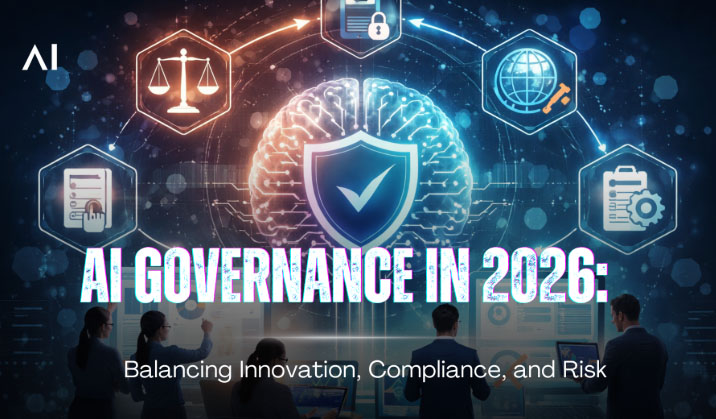
In 2026, AI governance and control are becoming central to B2B technology adoption. Organizations can no longer focus solely on capability. They must ensure that AI systems operate within defined boundaries, deliver reliable outputs, and align with regulatory and ethical standards.
The organizations that succeed will be those that combine innovation with responsibility. By building strong governance frameworks, B2B leaders can unlock the full potential of AI while maintaining trust, compliance, and strategic control.