
For the past few years, the conversation in B2B has been dominated by one idea.
Get better data, and everything improves.
And to some extent, that is true.
Better targeting. Better reach. Better segmentation. On paper, data solves a large part of the demand generation problem.
Yet, despite having access to more data than ever before, most B2B campaigns still underperform.
Not slightly. Significantly.
The issue is not data anymore.
It is what companies do with it.
This is the execution gap. And it is far more common than most teams are willing to admit.
The Illusion That Data Alone Drives Performance
There is a quiet assumption across many organizations that once the data problem is solved, results will follow.
This leads to heavy investments in:
- Data platforms
- Enrichment tools
- Intent data providers
- CRM and automation systems
All of which are important.
But none of them guarantee outcomes.
Because data does not execute campaigns. People do.
And execution is where most things break down.
Where Good Data Starts to Lose Its Impact
At the targeting stage, things usually look strong.
The right industries are selected. The right job roles are identified. The right accounts are shortlisted.
But the moment campaigns move beyond targeting, quality starts to dilute.
Messaging becomes generic. Content becomes repetitive. Outreach feels similar to everything else in the market.
The precision that existed in the data disappears in the execution.
This is the first major leak in the system.
The Problem With Safe, Generic Messaging
Most B2B messaging today is designed to be safe.
It avoids being too specific. It avoids taking a strong stance. It tries to appeal to a wide audience.
The result is predictable.
It gets ignored.
Because the modern buyer is exposed to hundreds of similar messages every week. If your communication sounds like everyone else, it does not matter how good your data is.
Relevance is not just about who you target. It is about what you say.
And most companies are not saying anything distinct.
Content That Attracts, But Does Not Convert
Content plays a central role in B2B campaigns.
But there is a fundamental issue in how it is created.
Much of it is built to generate engagement, not decisions.
It focuses on:
- High-level insights
- Industry trends
- Surface-level education
Which is useful, but incomplete.
Because buyers are not just looking for information. They are looking for clarity.
They want to understand:
- Why this problem matters now
- What the real impact is
- What makes one solution better than another
- What happens after they choose
Without this depth, content becomes passive. It attracts attention, but it does not move deals forward.
The Disconnect Between Campaign Design and Sales Reality
Another major gap appears when campaigns transition into sales.
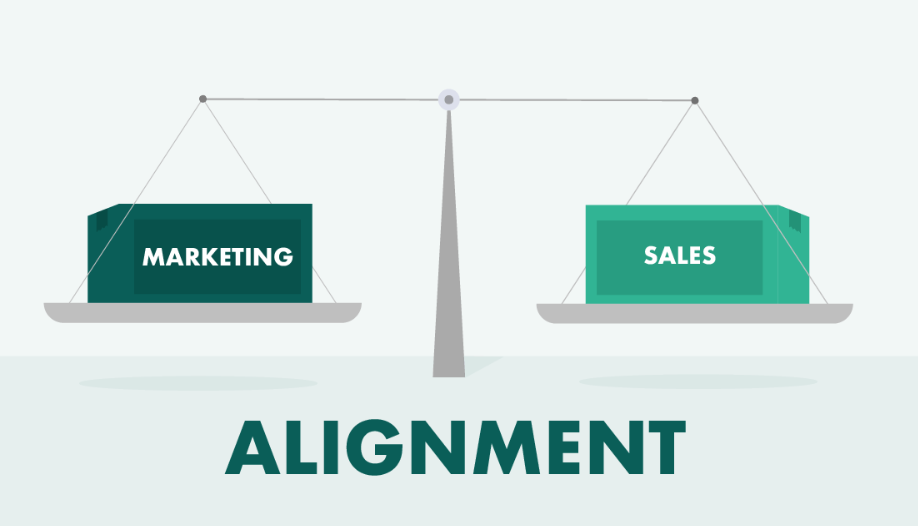
Marketing may deliver well-targeted leads. But if those leads are not aligned with how sales engages, momentum is lost.
This often happens because:
- Campaign messaging does not match sales conversations
- Expectations are not aligned between teams
- Follow-up strategies are not clearly defined
The result is a broken experience for the buyer.
They see one message in the campaign and hear something different in the sales interaction.
That inconsistency creates friction.
Why Execution Consistency Matters More Than Ever
In a crowded B2B environment, consistency is not a small detail. It is a differentiator.
Consistency in:
- Messaging across channels
- Tone across touchpoints
- Value proposition across teams
This builds familiarity and trust.
Without it, even well-targeted campaigns feel fragmented.
And fragmented experiences rarely convert.
The Role of Timing and Context
Even with good data and strong messaging, timing plays a critical role.
Many campaigns fail because they push messages without considering:
- Where the buyer is in their journey
- What challenges they are currently facing
- Whether there is any urgency
This leads to interactions that feel out of place.
Either too early, when the buyer is not ready, or too late, when the decision is already influenced.
High-performing teams pay close attention to context.
They align outreach with signals, not schedules.
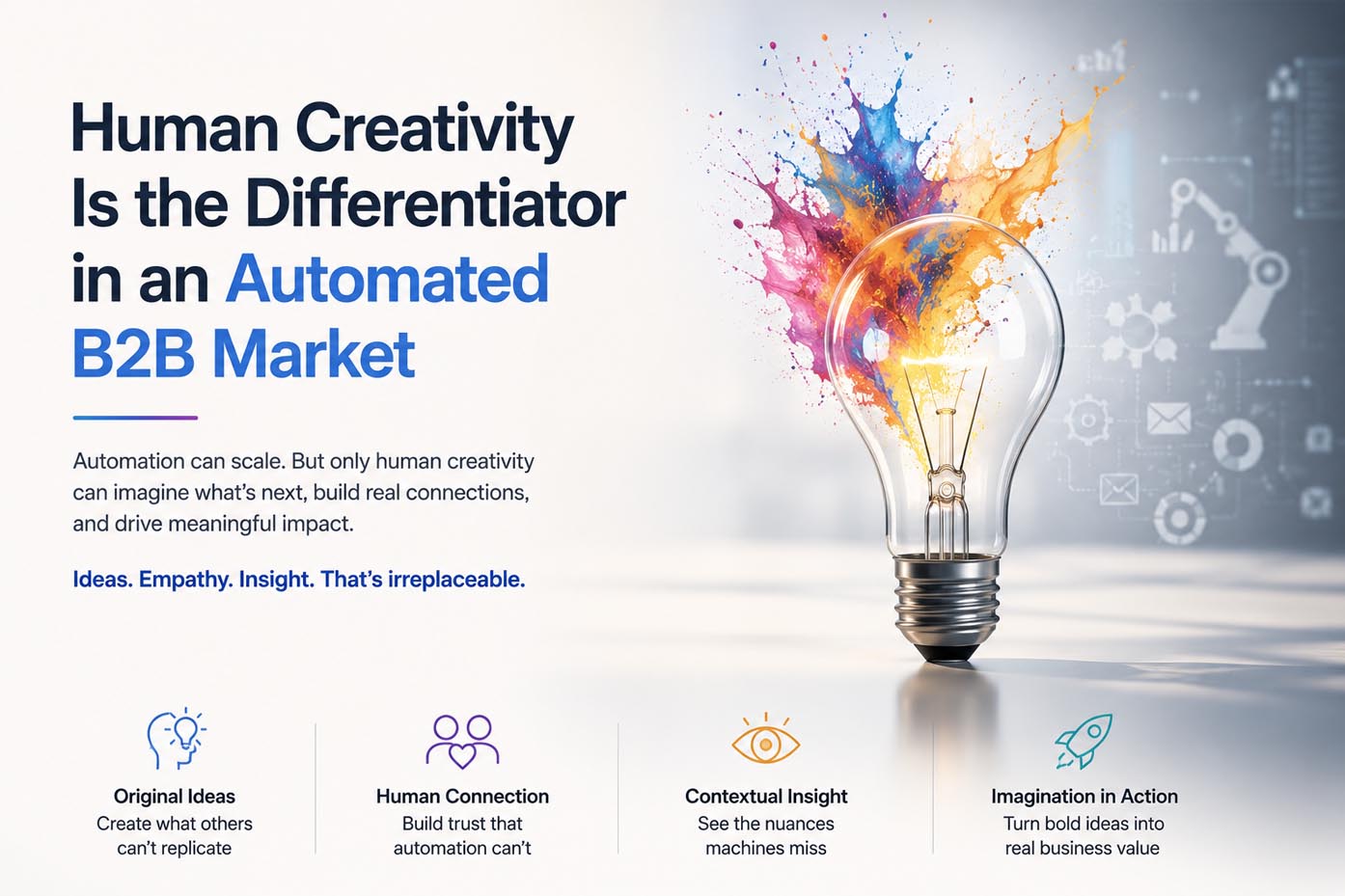
Why Over-Automation Is Hurting Performance
Automation has made it easier to scale campaigns.
But it has also introduced a new problem.
Uniformity.
When every interaction is automated:
- Messages feel templated
- Personalization feels artificial
- Engagement drops
Buyers can quickly identify when they are part of a sequence rather than part of a conversation.
This does not mean automation should be avoided.
It means it should be used carefully, with room for human relevance.
What High-Performing Teams Do Differently
The teams that consistently perform well are not just data-driven.
They are execution-focused.
They treat data as the starting point, not the solution.
They invest heavily in how campaigns are actually delivered.
They refine messaging continuously. They test different approaches. They adapt based on real feedback, not assumptions.
They ensure that what is promised in the campaign is delivered in the conversation.
And most importantly, they build campaigns that feel intentional, not automated.
The Real Shift: From Data Advantage to Execution Advantage
There was a time when access to data was a competitive edge.
That is no longer the case.
Today, most companies have access to similar tools, similar datasets, and similar platforms.
The difference now lies in execution.
How well you:
- Translate data into insight
- Turn insight into messaging
- Deliver messaging through the right channels
- Maintain consistency across the journey
This is what separates average campaigns from high-performing ones.
Why This Gap Continues to Exist
The execution gap persists because it is harder to fix than data.
Data can be purchased, integrated, and scaled.
Execution requires:
- Clear thinking
- Strong positioning
- Alignment across teams
- Continuous improvement
It is less tangible. Less immediate. But far more impactful.
Final Thought
Good data gives you direction.
Execution determines the outcome.
In 2026, having access to the right audience is no longer enough.
The real question is:
What do you do once you reach them?
Because that is where most campaigns succeed or fail.
And that is where the real opportunity lies.