Introduction
Artificial intelligence in enterprise environments is moving beyond task automation toward collaborative intelligence platforms. One of the most discussed developments in early 2026 is Anthropic’s expansion of its AI model capabilities into enterprise workspace functionality. This new tool is designed to allow organizations to interact with business data, documents, workflows, and internal knowledge systems through a structured conversational interface powered by advanced AI reasoning.
While the technology is still evolving, its introduction signals a significant shift in how B2B organizations may manage information, streamline operations, and improve decision making. Anthropic’s approach focuses heavily on reliability, structured analysis, and controlled enterprise deployment, which makes it particularly relevant for organizations that prioritize governance, data security, and safe AI implementation.
What Anthropic’s New Tool Is Designed to Do
Anthropic’s latest enterprise capability extends its AI assistant beyond simple conversational responses. The tool is structured to function as a collaborative workspace where teams can interact with company information, analyze structured and unstructured data, and automate knowledge workflows.
At its core, the platform allows users to:
- Upload and analyze internal documents
- Connect multiple knowledge sources within one AI environment
- Summarize reports and datasets
- Assist in strategic planning and research tasks
- Provide structured reasoning based on enterprise data
Unlike earlier AI tools that focused primarily on generating text or answering simple prompts, this new capability attempts to operate as a decision support environment. The goal is to allow employees to extract meaningful insight from large volumes of information without navigating multiple systems manually.
Why Anthropic’s Approach Is Important for B2B Organizations
Anthropic has built its reputation around developing AI systems with a strong emphasis on reliability and controlled output generation. This design philosophy is particularly important for B2B enterprises where accuracy and governance are critical.
Several aspects of this tool highlight broader enterprise AI trends.
Enterprise Knowledge Becomes Interactive
B2B organizations store valuable insights across multiple systems including CRM platforms, marketing automation tools, financial databases, and customer support systems. Traditionally, accessing this knowledge required manual searching or specialized analytics skills.
Anthropic’s workspace model suggests a future where enterprise knowledge becomes interactive. Employees can ask complex business questions and receive structured insights drawn from internal data repositories. This improves accessibility and reduces knowledge silos across departments.
Decision Making Becomes Data Conversational
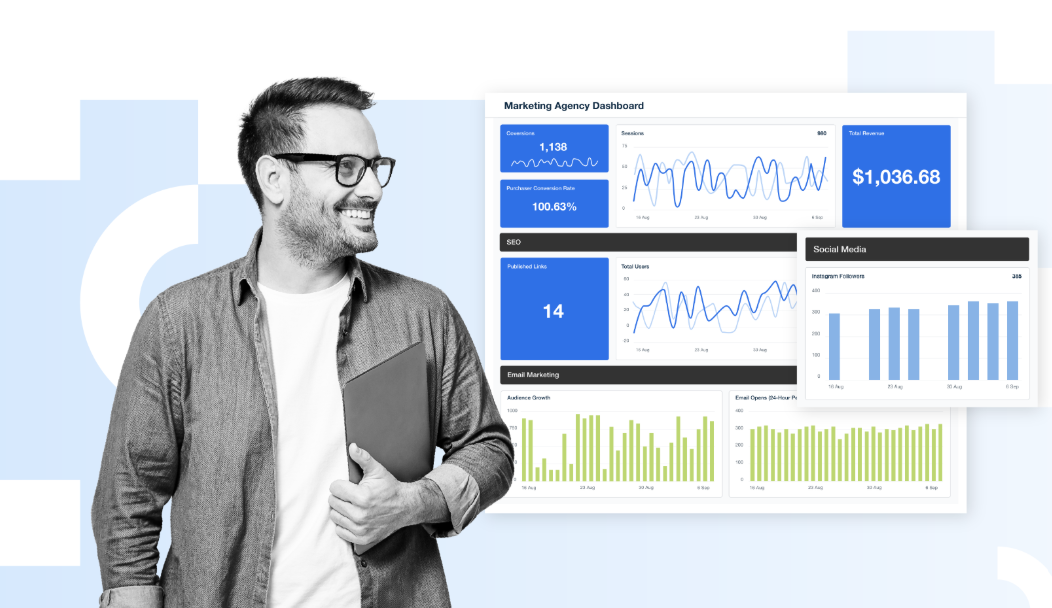
Executives and operational teams often rely on static dashboards and periodic reporting. Anthropic’s new capability supports conversational data analysis, allowing decision makers to interact with performance metrics dynamically.
For example, leadership teams could evaluate campaign performance, revenue projections, or operational efficiency through natural language queries. This allows organizations to analyze scenarios quickly and adapt strategy based on emerging insights.
Cross Department Collaboration Improves
B2B growth depends on alignment between marketing, sales, finance, HR, and customer success. Anthropic’s collaborative AI workspace enables multiple teams to access shared intelligence and generate coordinated insights.
Unified collaboration reduces miscommunication and supports consistent strategy execution across revenue functions.
Operational Impact Across B2B Functions
Anthropic’s workspace capability has the potential to influence several core enterprise functions.
Marketing and Demand Strategy
Marketing teams can analyze engagement patterns, research industry trends, and generate campaign planning insights using centralized AI knowledge systems. This allows teams to respond quickly to buyer behavior changes.
Sales Intelligence
Sales teams can use AI workspaces to review account history, analyze communication trends, and prepare strategic outreach strategies. Structured insight helps sales teams personalize engagement and improve pipeline prioritization.
Customer Success and Support
Customer success teams benefit from AI assisted analysis of support interactions, product usage data, and sentiment trends. Early identification of customer risk improves retention and expansion opportunities.
Finance and Business Planning
Finance teams can summarize complex financial reports, analyze revenue trends, and conduct scenario planning through conversational analysis. This improves forecasting accuracy and strategic planning efficiency.
Human Resources and Workforce Intelligence
HR teams can use AI workspace tools to analyze employee engagement patterns, training requirements, and workforce productivity data. This supports predictive workforce planning.
Governance and Safety Considerations
One of the defining characteristics of Anthropic’s approach is its emphasis on responsible AI usage. Enterprise deployment requires strong safeguards to protect sensitive data and ensure reliable outcomes.
Organizations implementing AI workspace tools must prioritize:
- Controlled data access permissions
- Transparent reasoning outputs
- Audit trails for AI generated decisions
- Compliance with data privacy regulations
Strong governance frameworks ensure AI enhances productivity without creating compliance risk.
Challenges Organizations Must Prepare For
Despite its potential, enterprise AI workspace adoption introduces several challenges.
Data Integration Complexity
AI workspace tools rely on connecting multiple enterprise data sources. Organizations must unify data pipelines and standardize data structures to enable effective analysis.
Workforce Adoption and Training
Employees must learn how to interact with AI workspaces effectively. Training programs should focus on interpreting AI insights and validating results responsibly.
Managing AI Expectations
AI tools enhance decision making but do not replace human judgment. Organizations must maintain balanced workflows where AI supports, rather than overrides, expert decision making.
Strategic Implications for B2B Leaders in 2026
Anthropic’s enterprise workspace capability highlights a broader transformation in how organizations operate. AI is shifting from isolated productivity enhancement to becoming a centralized intelligence layer that supports collaboration and decision making.
B2B leaders evaluating AI platforms should consider:
- Integration capabilities across business systems
- Governance and security architecture
- Scalability across departments
- Alignment with digital transformation strategy
- Long term vendor reliability
Selecting AI workspace platforms should be treated as a strategic investment that influences operational efficiency and competitive positioning.
The Future of Enterprise AI Workspaces
As enterprise AI tools continue to evolve, AI workspace environments are expected to become standard infrastructure across B2B organizations. These systems will likely integrate predictive analytics, workflow automation, and collaborative intelligence into unified operating environments.
Organizations that adopt these technologies early and responsibly will benefit from faster decision making, improved knowledge accessibility, and stronger cross functional collaboration.
Conclusion
Anthropic’s new enterprise workspace capability represents an important milestone in the evolution of business intelligence tools. By combining conversational AI, structured reasoning, and collaborative knowledge management, the tool reflects a broader industry shift toward intelligence driven operations.
For B2B organizations in 2026, AI workspace platforms offer an opportunity to transform how teams access information, collaborate across departments, and execute strategy. The organizations that adopt these tools responsibly and integrate them effectively into business workflows will be better positioned to navigate complex markets and sustain long term growth.