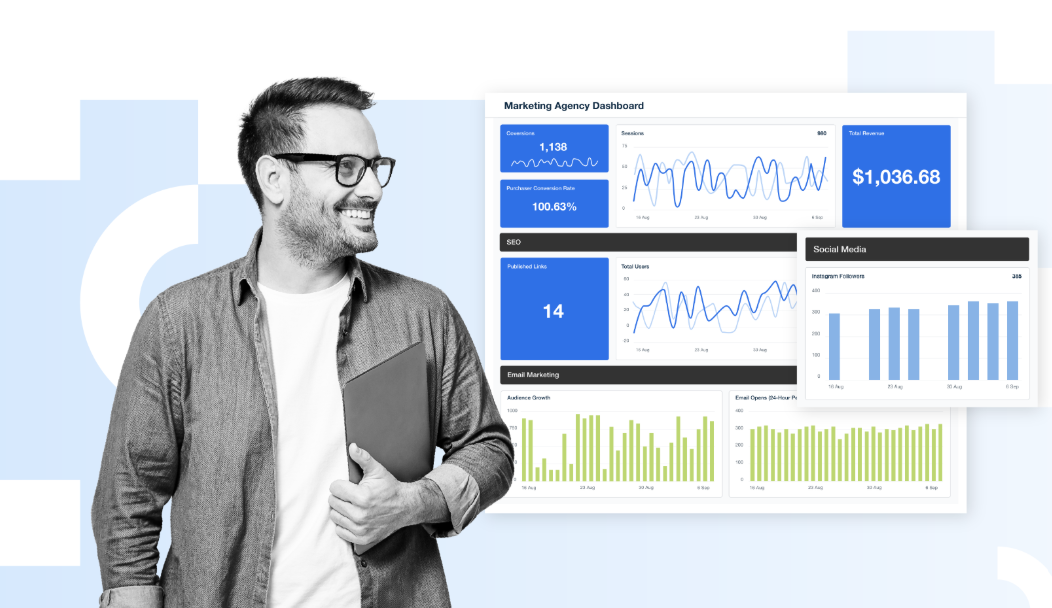
Every quarter, marketing leaders present attribution reports. "LinkedIn drove 40% of pipeline." "Content syndication generated 200 MQLs." "Our webinar program influenced $2M in deals."
These reports look impressive. They're full of charts and numbers. They make it look like marketing knows exactly what's working.
But here's the uncomfortable truth: Most marketing attribution is fiction.
It's not intentionally misleading. It's just fundamentally broken. Because the models most companies use are built on assumptions that don't match how B2B buyers actually behave.
Let's start with the most common attribution models and why they fail in B2B.
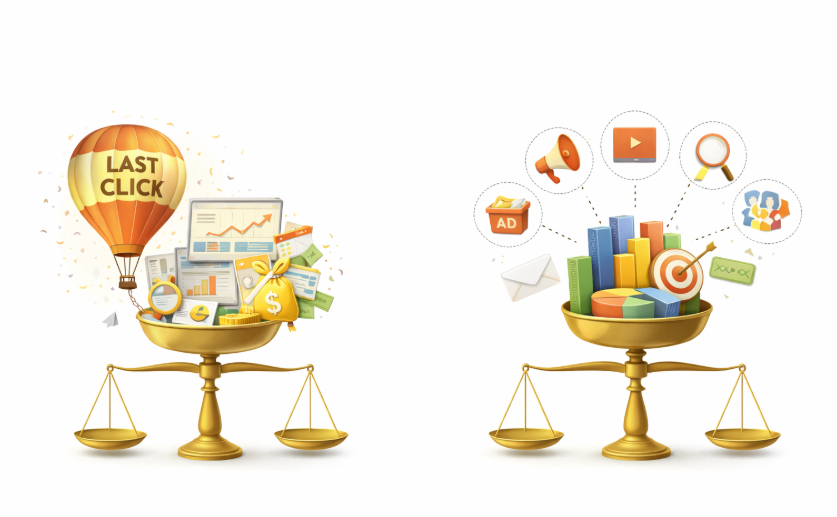
This model gives 100% of the credit to whatever brought someone into your system first. They clicked a LinkedIn ad? LinkedIn gets all the credit.
The problem: B2B buying journeys involve multiple stakeholders over weeks or months. The thing that first brought someone to your site is rarely the thing that convinced them to buy.
This model gives 100% of the credit to the last thing someone did before they converted. They clicked an email before requesting a demo? Email gets all the credit.
The problem: The last touch is often just the final step in a long journey. It's like giving credit for a touchdown to the person who crossed the goal line while ignoring everyone who got them there.
This model tries to split credit across all the touchpoints in a buyer's journey. Different flavors (linear, U-shaped, W-shaped) weight the touchpoints differently.
The problem: It assumes you can see all the touchpoints. But most B2B buying happens in places you can't track. Internal conversations. Competitor comparisons. Analyst reports. Peer recommendations.
You're attributing credit to the 20% of the journey you can see while ignoring the 80% you can't.
Let's get specific about what's wrong with most attribution reports.
Your attribution model assumes that if you can't track it, it didn't happen.
But in reality, most B2B buying is invisible to you. A prospect talks to three colleagues who have used your product. They attend an industry conference where your solution is mentioned. They read a comparison article on a site you don't have tracking on.
None of that shows up in your attribution reports. But it might be more influential than anything you can track.
Attribution models overweight the things that are easy to measure. A LinkedIn ad click. A webinar registration. A whitepaper download.
They underweight or completely miss the things that actually drive deals. A sales call where your rep killed it. A customer reference call that sealed the deal. A conversation with a trusted peer.
This creates a distorted view where you think your webinars are crushing it when really your sales team is carrying the load.
Most attribution models track individual contacts. But B2B buying is a team sport.
One person might download your content. Another might attend your webinar. A third might request the demo. They're all at the same company, working together on the same evaluation.
But your attribution model sees them as three separate journeys and gives credit to three different channels. That's not how deals happen.
Let's talk about what really drives pipeline and revenue. Because if you're measuring the wrong things, you're optimizing the wrong parts of your strategy.
Buyers don't choose vendors based on who had the best nurture sequence. They choose based on who they trust.
That trust comes from customer references, peer recommendations, analyst reports, your company's reputation, and the expertise your sales team demonstrates.
Very little of that is trackable in a traditional attribution sense. But it's what actually closes deals.
A buyer who clearly understands their problem and knows they need a solution converts at a much higher rate than someone who's just browsing.
Your best-performing campaigns aren't necessarily the ones that generate the most leads. They're the ones that reach buyers who already have problem clarity.
But attribution models don't distinguish between "we generated this lead" and "this lead was already ready to buy and we happened to be there."
Reaching an in-market buyer at the right moment is worth 10x more than reaching them six months before they're ready to buy.
But attribution models don't account for timing. They give equal credit to a touchpoint that happened during an active evaluation and one that happened during early research.
If traditional attribution doesn't work, what should you measure?
Forget about first-touch and last-touch. Ask a simpler question: What percentage of your closed deals had meaningful engagement with each channel?
If 60% of your closed deals involved someone from the account attending a webinar, that's valuable information. Not because the webinar "caused" the deal. But because webinars are clearly part of effective buying journeys.
Some channels bring in leads that close in 30 days. Others bring in leads that take 9 months.
That doesn't mean one is better than the other. It means they're serving different purposes. One is capturing in-market demand. The other is building awareness.
Understanding this helps you set realistic expectations and allocate budget appropriately.
Look at the deals you won. What content did those buyers engage with? What pages did they visit? What topics were they researching?
Now compare that to lost deals. Where were the differences?
This tells you which content is actually influencing purchase decisions vs. which content is just generating activity.
Your sales team knows which leads are good. They know which campaigns generate conversations that go somewhere. They know which content actually helps them close deals.
Ask them. Regularly. And weight their feedback more heavily than your fancy attribution model.
Here's what we track at companies that care about real outcomes, not just attribution theater.
Of the leads your demand gen generates, what percentage meet sales' definition of qualified?
If it's below 40%, you have a targeting or quality problem. No amount of attribution modeling will fix that.
What percentage of marketing leads does sales actually call?
If it's below 70%, sales doesn't trust your leads. That's a bigger problem than attribution.
How long does it take your sales team to reach out to a new lead?
Faster is always better. Every hour of delay reduces your conversion rate.
Of the leads from each channel that get qualified, what percentage close?
This tells you which sources are bringing in the right buyers. Not just active buyers. The right buyers for your solution.
If you must use an attribution model, here's one that's better than the standard options.
Stop tracking individuals. Start tracking accounts.
An account enters your system through some channel. Maybe they clicked a LinkedIn ad. Maybe they came from a referral. Maybe they found you through search.
Track that as the source. Then track every subsequent touchpoint at the account level.
When the deal closes, you know which channels were involved. You don't need to assign percentage credits. You just need to know what worked.
Make a distinction between leads you sourced (you brought them into your funnel) and leads you influenced (they were already in your funnel and you engaged them).
Sourcing is about demand creation. Influencing is about demand capture. Both matter, but they're different.
Don't let your influenced numbers inflate your sourcing claims.
Here's the practical question: If traditional attribution is broken, how do you decide where to spend your marketing budget?
Instead of relying on attribution models, run experiments.
Turn a channel off for a month. Did pipeline drop? If yes, that channel matters. If no, it doesn't. That's real signal.
You can't do this with every channel simultaneously. But you can rotate through your portfolio and get a much clearer picture of what's actually driving results.
Not all awareness is created equal. Channels that reach buyers who are actively evaluating solutions are more valuable than channels that reach everyone.
Even if the latter generates more leads, the former generates more revenue.
The single best investment most B2B companies can make is better sales enablement.
If your sales team can have better conversations, close deals faster, and win at higher rates, that impacts revenue more than any marketing channel optimization.
But it won't show up in your attribution reports.
Here's what marketing leaders need to say to their executives:
"Our attribution data is directionally useful but not precise. We can tell you which channels are contributing to pipeline. We can't tell you exactly how much credit each one deserves. Because buying doesn't work that way."
"What we can tell you is which campaigns are reaching in-market buyers, which content is resonating with our ICP, and which sources are delivering leads that actually convert."
"That's the data that should drive our decisions. Not fantasy attribution models that pretend we have perfect visibility into buying journeys."
Most CMOs are afraid to have this conversation. They think it makes marketing look less sophisticated or less accountable.
But the opposite is true. Admitting the limitations of attribution and focusing on metrics that actually drive outcomes makes marketing more credible, not less.
Marketing attribution is broken. It's built on assumptions that don't match how B2B buyers actually behave.
You can keep generating reports that make it look like you have perfect visibility. Or you can focus on tracking the things that actually matter: Are you reaching in-market buyers? Are your leads converting? Are you helping your sales team close more deals?
The second approach won't give you clean attribution charts. But it will give you better outcomes.
And at the end of the day, nobody cares how accurate your attribution model is. They care about whether your marketing is driving revenue.
Ready for demand gen that's accountable to real outcomes? Let's talk.