Technology has transformed modern B2B marketing.
Today's organisations have access to sophisticated CRM platforms, marketing automation tools, intent data providers, analytics dashboards, artificial intelligence solutions, and countless other technologies designed to improve efficiency and performance.
These tools provide incredible capabilities.
They help marketers automate processes, analyse buyer behaviour, personalise communication, and measure campaign effectiveness at a scale that was unimaginable just a decade ago.
Yet despite all these advancements, one challenge continues to limit performance for many organisations.
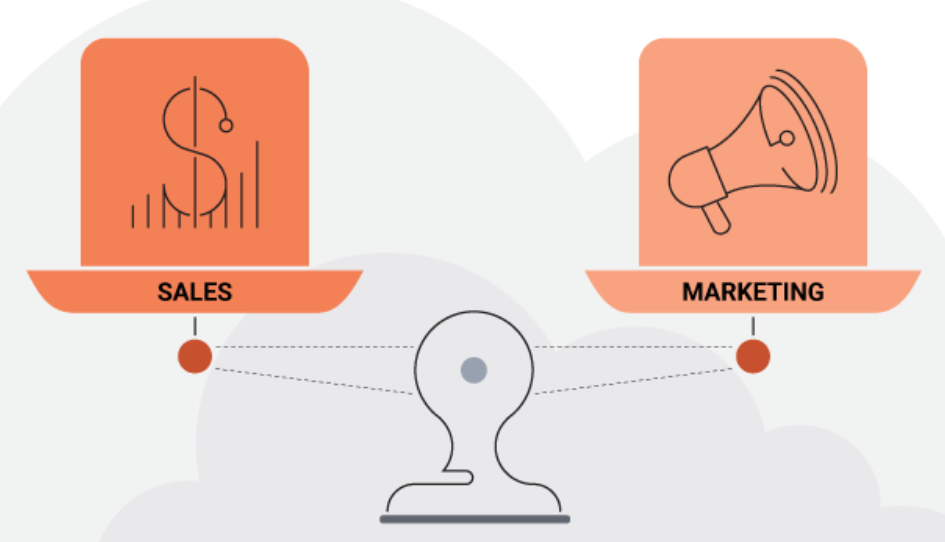
Marketing and sales misalignment.
No matter how advanced the technology becomes, sustainable revenue growth still depends on marketing and sales working towards the same objectives.
Technology can improve execution.
Alignment improves outcomes.
The Cost of Misalignment
When marketing and sales operate independently, problems quickly emerge.
Marketing focuses on generating leads.
Sales focuses on closing opportunities.
Both teams work hard, yet results often fall short of expectations.
Common symptoms include:
- Sales rejecting marketing-generated leads
- Marketing questioning follow-up efforts
- Conflicting definitions of lead quality
- Poor pipeline visibility
- Inconsistent reporting
- Frustration between teams
The result is inefficiency throughout the revenue process.
Marketing believes it is delivering value.
Sales believes it is receiving poor-quality opportunities.
Meanwhile, buyers experience a disconnected journey.
Nobody benefits.
Technology Cannot Solve a Strategy Problem
One of the most common mistakes organisations make is attempting to solve alignment challenges through technology alone.
A new CRM is implemented.
A new automation platform is purchased.
Additional reporting dashboards are created.
Yet the underlying issues remain.
Why?
Because technology only amplifies existing processes.
If marketing and sales are already aligned, technology helps them perform more effectively.
If they are misaligned, technology often magnifies the problem.
The issue is not the software.
The issue is the lack of shared objectives.
Before investing in new tools, organisations should ensure both teams agree on what success actually looks like.
Defining Lead Quality Together
One of the biggest sources of conflict between marketing and sales is lead quality.
Marketing may define success based on:
- Lead volume
- Form submissions
- Webinar registrations
- Content downloads
Sales often evaluates success differently.
They focus on:
- Sales conversations
- Opportunities
- Pipeline creation
- Revenue generation
Neither perspective is wrong.
However, when these definitions operate independently, problems occur.
The most successful organisations create a shared definition of a qualified lead.
Both teams agree on:
- Target audience criteria
- Qualification standards
- Buying signals
- Follow-up expectations
This alignment significantly improves lead acceptance and conversion performance.
Shared Metrics Create Shared Accountability
Alignment becomes much easier when both teams measure success the same way.
Instead of focusing solely on marketing metrics or sales metrics, organisations should establish shared objectives.
Examples include:
Pipeline Contribution
How much pipeline is being influenced by marketing activities?
Opportunity Creation
How many qualified opportunities are emerging from generated demand?
Revenue Impact
How effectively are marketing and sales contributing to business growth?
Lead-to-Opportunity Conversion
Are generated leads progressing through the funnel successfully?
These measurements encourage collaboration rather than competition.
The Buyer's Perspective
Perhaps the most important reason alignment matters is because buyers do not distinguish between marketing and sales.
To the buyer, there is only one company.
Every interaction contributes to a single experience.
When marketing and sales are aligned:
- Messaging is consistent
- Expectations are clear
- Follow-up feels relevant
- Buyer journeys become smoother
When alignment is missing, the experience becomes fragmented.
Prospects receive conflicting information.
Conversations feel disconnected.
Trust becomes harder to establish.
In today's competitive environment, buyer experience often influences purchasing decisions as much as products or pricing.
What High-Performing Organisations Do Differently
The organisations achieving the strongest revenue performance typically share several characteristics.
Regular Communication
Marketing and sales meet frequently to discuss performance, feedback, and opportunities for improvement.
Shared Goals
Success is measured using common business outcomes rather than isolated departmental metrics.
Continuous Feedback
Sales provides insights regarding lead quality.
Marketing uses those insights to improve targeting and qualification.
Buyer-Centric Thinking
Both teams focus on creating value throughout the buyer journey rather than protecting departmental interests.
This creates stronger collaboration and better business results.
Technology Still Matters
None of this means technology is unimportant.
Modern revenue teams depend on tools that support:
- Automation
- Analytics
- Reporting
- Lead management
- Buyer insights
However, technology should support alignment, not replace it.
The strongest technology stack in the world cannot compensate for teams that are working towards different objectives.
Strategy must come first.
Technology should follow.
Final Thoughts
As new technologies continue to reshape B2B marketing, it is easy to become distracted by tools, platforms, and emerging trends.
Yet one principle remains remarkably consistent.
Revenue growth depends on alignment.
When marketing and sales share objectives, definitions, and accountability, performance improves across the entire buyer journey.
Technology helps organisations move faster.
Alignment helps them move in the right direction.
And in the long run, moving in the right direction is what matters most.