Introduction
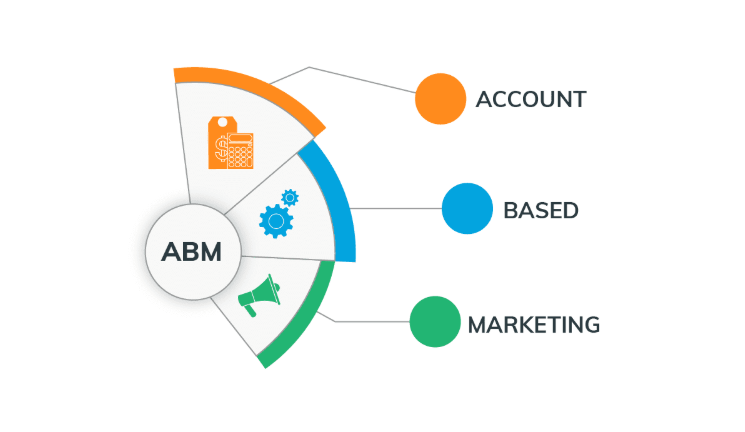
Account based engagement is rapidly becoming the dominant demand generation model in B2B marketing in 2026. Instead of targeting broad audiences, organizations focus on high value accounts with tailored engagement strategies designed to address specific business challenges.
Advances in AI and data analytics are accelerating the effectiveness of account based engagement programs.
The Limitations of Traditional Lead Based Marketing
Traditional lead generation strategies often prioritize volume over relevance. While they produce high lead counts, conversion quality frequently remains inconsistent.
Account based engagement addresses this gap by prioritizing quality, personalization, and long term relationship building.
Core Components of Account Based Engagement
Account Intelligence
AI identifies key stakeholders, engagement patterns, and account level buying signals. This helps teams personalize messaging and engagement strategies.
Multi Stakeholder Personalization
Account based engagement acknowledges that B2B purchases involve multiple decision makers. Marketing and sales teams create content tailored to each stakeholder role.
Coordinated Sales and Marketing Execution
Successful account based engagement requires unified collaboration between marketing and sales teams. Shared account insights drive synchronized outreach and messaging.
Long Term Relationship Development
Account based engagement emphasizes nurturing relationships beyond initial conversion. This supports expansion opportunities and customer retention.
Measuring Account Based Engagement Success
Key metrics include account penetration, stakeholder engagement, deal velocity, and expansion revenue.
Conclusion
Account based engagement represents the future of B2B marketing in 2026. By focusing on high value accounts and personalized engagement strategies, organizations can improve conversion quality and build stronger customer relationships.