
Generating leads is only half the battle.
Every year, organisations invest significant budgets into demand generation activities such as content syndication, webinars, email marketing, telemarketing, events, and advertising campaigns. The objective is clear: attract potential buyers and create opportunities for future revenue.
However, one of the most overlooked factors in campaign success happens after the lead has been generated.
Follow-up.
Many organisations focus heavily on lead acquisition while paying far less attention to lead response times. As a result, valuable opportunities are often lost not because of poor targeting or ineffective campaigns, but because prospects simply do not receive timely engagement.
In today's competitive B2B environment, speed matters.
And slow follow-up can be surprisingly expensive.
Why Timing Matters More Than Ever
Modern buyers move quickly.
When a prospect downloads a report, attends a webinar, requests information, or engages with a piece of content, they are demonstrating interest at that specific moment.
Their attention is focused.
Their curiosity is high.
Their business challenge is top of mind.
That moment creates an opportunity.
Unfortunately, many organisations fail to act while that opportunity exists.
Instead, leads sit in marketing systems waiting for assignment, approval, routing, or manual review.
Days pass.
Sometimes weeks.
And by the time outreach occurs, buyer interest has often shifted elsewhere.
The prospect may have:
- Found answers independently
- Engaged with a competitor
- Changed priorities
- Lost interest altogether
- Delayed the project
The lead still exists.
The opportunity often does not.
The Real Cost of Delayed Responses
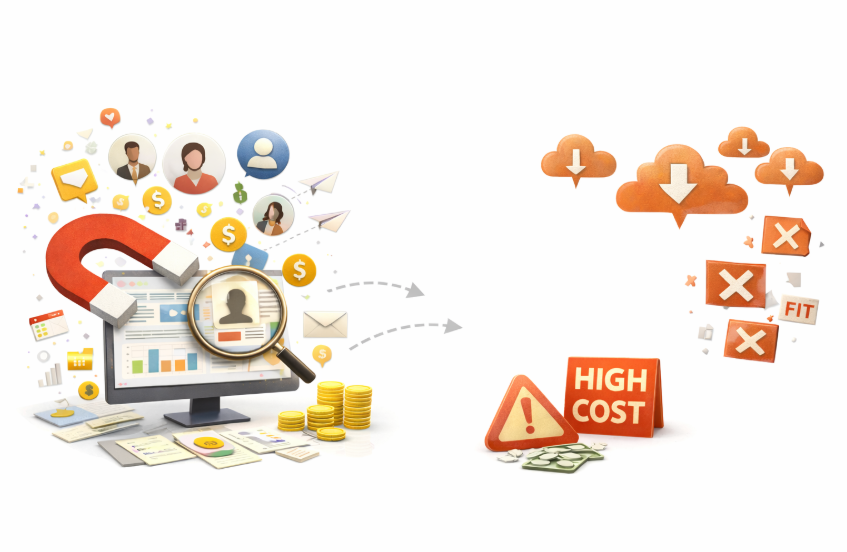
Slow follow-up creates consequences that extend well beyond a single missed conversation.
Reduced Conversion Rates
The longer organisations wait to engage prospects, the lower the likelihood of conversion.
Interest naturally declines over time, particularly when buyers are actively researching solutions.
Lower Marketing ROI
Every lead represents marketing investment.
Whether generated through webinars, content syndication, telemarketing, or advertising, resources have already been spent acquiring that prospect.
Delayed follow-up reduces the return generated from that investment.
Frustrated Sales Teams
Sales representatives often receive leads long after the initial engagement occurred.
This makes conversations more difficult because buyers may no longer remember the content they downloaded or the event they attended.
Poor Buyer Experience
Today's buyers expect responsiveness.
Delayed communication creates the impression that an organisation is slow, disorganised, or difficult to work with.
First impressions matter, and response times often shape those impressions.
Why Organisations Struggle with Follow-Up
Despite understanding the importance of responsiveness, many businesses continue to face challenges.
Common issues include:
Lack of Alignment
Marketing and sales teams may disagree on lead qualification standards, creating delays before leads are passed to sales.
Manual Processes
Many organisations still rely on manual lead routing, spreadsheets, or approval workflows that slow down engagement.
Resource Constraints
Sales teams often manage large volumes of leads and may struggle to prioritise effectively.
Poor Visibility
Without clear reporting and accountability, follow-up performance can be difficult to monitor and improve.
These challenges are common, but they are not unavoidable.
What High-Performing Organisations Do Differently
Leading organisations recognise that generating demand and responding to demand must work together.
They treat speed as a competitive advantage.
Several best practices consistently appear among high-performing teams.
Establish Clear Lead Routing
Leads should move quickly from marketing systems to the appropriate sales representatives without unnecessary delays.
Define Response Expectations
Successful organisations establish clear service-level agreements between marketing and sales.
Everyone understands:
- Who follows up
- When follow-up occurs
- How engagement is tracked
Prioritise High-Intent Leads
Not every lead requires the same urgency.
Prospects demonstrating stronger buying signals should receive priority attention.
Examples include:
- Webinar attendees
- Demo requests
- Multiple content interactions
- Repeat website visits
Monitor Response Times
What gets measured gets improved.
Tracking lead response performance helps organisations identify bottlenecks and improve accountability.
Responsiveness Builds Trust
Fast follow-up is not simply about improving conversion rates.
It is also about building credibility.
Buyers often interpret responsiveness as a reflection of how an organisation operates overall.
If communication is timely and helpful during the early stages of engagement, prospects are more likely to believe they will receive the same level of support as customers.
This perception matters.
In competitive markets where products and services may appear similar, buyer experience often becomes a key differentiator.
Final Thoughts
Demand generation creates opportunities.
Follow-up determines whether those opportunities become revenue.
Too often, organisations invest heavily in generating leads while underestimating the importance of responding to them quickly.
The result is lost pipeline, reduced marketing effectiveness, and missed business opportunities.
The good news is that responsiveness is one of the few competitive advantages that does not require larger budgets or more technology.
It requires discipline.
It requires alignment.
And it requires recognising that buyer interest has a limited window.
Because in B2B marketing, opportunities rarely disappear overnight.
They disappear one day of delayed follow-up at a time.