Introduction
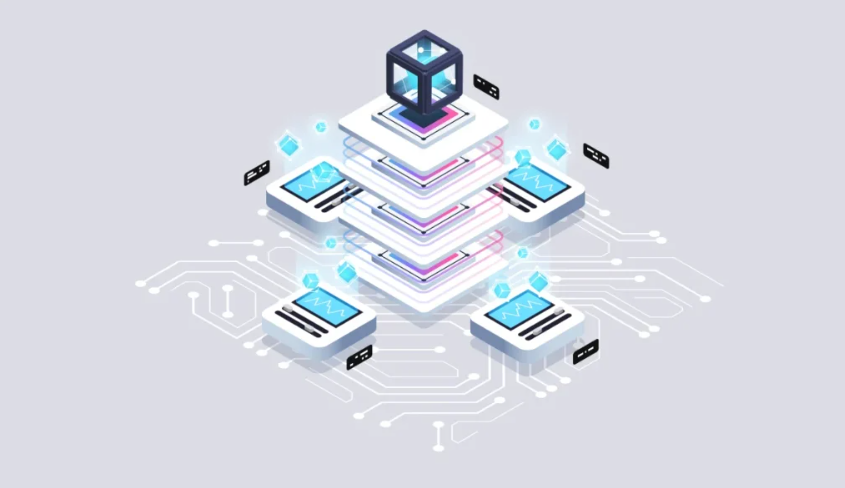
Technology stacks have become the backbone of B2B operational efficiency and growth strategy. In 2026, organizations are moving away from fragmented tool ecosystems toward integrated intelligence platforms that unify data, automation, and analytics.
This evolution reflects the growing need for real time insight, cross functional collaboration, and scalable digital infrastructure.
The Challenges of Fragmented Technology Stacks
Many B2B organizations rely on multiple disconnected tools across marketing, sales, analytics, and customer engagement. Fragmentation leads to inconsistent data, workflow inefficiencies, and limited visibility into performance.
The Shift Toward Integrated Intelligence Platforms
Modern technology stacks focus on unifying data flows and enabling AI driven insights across functions.
Unified Customer Data Platforms
Centralized data platforms consolidate engagement signals, behavioral insights, and transactional data into a single source of truth.
Automation and Workflow Integration
Automation platforms streamline repetitive tasks while maintaining visibility across departments.
AI Powered Analytics
Integrated analytics tools provide predictive insights that support decision making across marketing, sales, and operations.
Cross Functional Collaboration Tools
Modern stacks enable teams to share insights, track performance, and coordinate strategy seamlessly.
Implementation Strategies
Organizations should audit existing technology tools, eliminate redundancy, and prioritize platforms that integrate effectively with core systems.
Conclusion
The evolution of B2B technology stacks in 2026 reflects the shift toward integrated intelligence and operational efficiency. Organizations that build unified, scalable technology ecosystems will improve collaboration, accelerate decision making, and support sustainable growth.