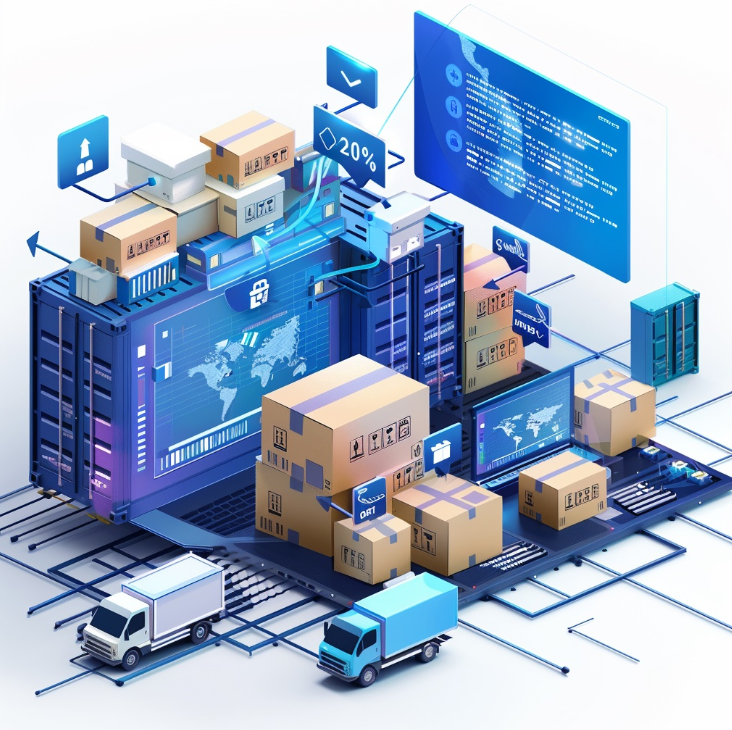
In the past, procurement was often seen as a back-office function focused on cost control. In 2025, it has emerged as a strategic driver of business agility thanks to the rise ofreal-time procurement networks. These digital ecosystems allow enterprises to source, evaluate, and contract with suppliers instantly, reducing cycle times from weeks to hours.
- The Shift from Transactional to Strategic Procurement
Global supply chain disruptions and inflationary pressures have accelerated the adoption of platforms that integrate real-time supplier data, risk scoring, and dynamic pricing. Instead of static catalogs, CFOs now oversee procurement environments that adapt to changing market conditions.
- Core Benefits for the Enterprise
- Faster Decision-Making: Real-time market intelligence enables procurement teams to secure the best terms before conditions shift.
- Risk Mitigation: Continuous supplier monitoring highlights potential compliance, financial, or geopolitical risks early.
- Cost Optimization: Dynamic pricing allows negotiation in favorable conditions, improving margins.
- Impact on the CFO Role
Today’s CFOs are not just financial stewards, they are operational strategists. Real-time procurement data feeds into broader financial planning, cash flow management, and capital allocation. This integrated view enables better forecasting and risk-adjusted decision-making.
- Strategic Adoption Steps
- Integrate Procurement and Finance Platforms: Ensure systems share data seamlessly.
- Train Teams in Data-Driven Negotiation: Equip staff to act on insights quickly.
- Establish Governance Models: Prevent maverick spending while maintaining speed.
- Risks and Challenges
Rapid onboarding of suppliers can introduce compliance and quality risks. Platforms must be vetted for security and reliability. Overreliance on automated decision-making can lead to missed qualitative factors in supplier selection.
Conclusion
Real-time procurement networks are transforming CFO influence across the enterprise. In the new era, procurement is no longer reactive. It is a proactive, data-fueled engine of strategic growth.