For years, Account-Based Marketing (ABM) and Demand Generation were often viewed as separate strategies.
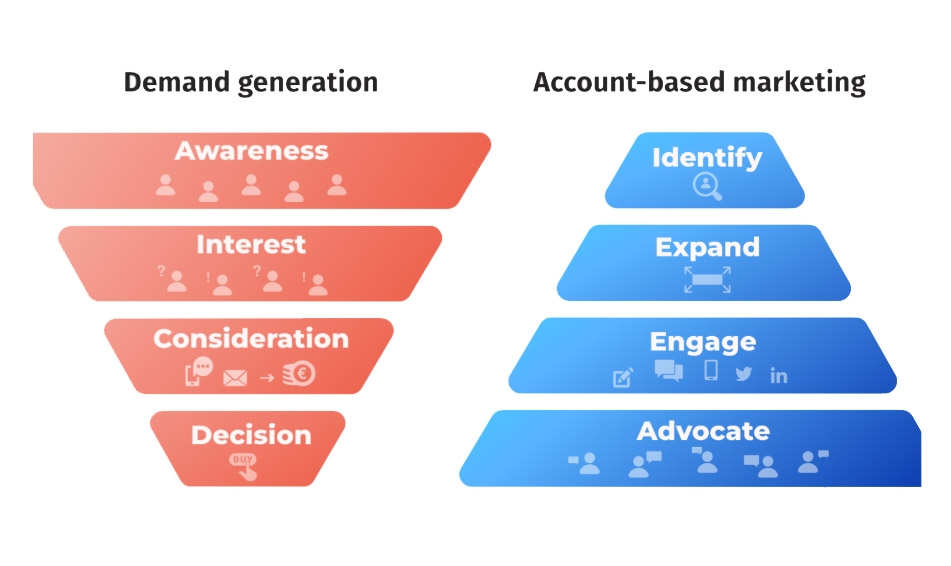
Demand Generation focused on creating awareness and generating leads at scale. The objective was to attract potential buyers, educate audiences, and build a pipeline of opportunities.
Account-Based Marketing, on the other hand, focused on a highly targeted group of accounts. Rather than casting a wide net, ABM concentrated resources on specific organisations with the highest potential value.
Because of these differences, many businesses treated them as independent initiatives.
However, the most successful B2B organisations are discovering that ABM and Demand Generation are not competing strategies.
They are complementary strategies.
When executed together, they create a more effective and sustainable approach to revenue growth.
Understanding the Difference
Before exploring how they work together, it is important to understand what each strategy is designed to achieve.
Demand Generation
Demand Generation focuses on:
- Building awareness
- Educating buyers
- Creating interest
- Generating engagement
- Filling the pipeline
The primary objective is to create demand among relevant audiences and identify future opportunities.
Account-Based Marketing
ABM focuses on:
- Target accounts
- Strategic outreach
- Personalised engagement
- Multi-stakeholder communication
- Account penetration
The objective is to influence specific organisations that represent high-value business opportunities.
Both approaches support growth.
The difference lies in how they engage buyers.
Why Demand Generation Alone Is Not Enough
Demand Generation is highly effective at creating awareness and attracting prospects.
However, many organisations face a common challenge.
They generate leads but struggle to influence strategic accounts.
A campaign may attract hundreds of contacts, yet only a small percentage belong to organisations that align with long-term business priorities.
This is where ABM becomes valuable.
ABM helps organisations focus attention on the accounts that matter most.
Rather than waiting for opportunities to emerge, businesses proactively engage the companies they most want to work with.
Why ABM Needs Demand Generation
ABM is powerful, but it has limitations when used in isolation.
One of the biggest challenges is visibility.
Target accounts still need awareness before meaningful engagement can occur.
Decision-makers still need education.
Buying committees still need information.
Trust still needs to be established.
Demand Generation helps create this foundation.
Educational content, webinars, research reports, thought leadership, and content syndication help position organisations in front of target accounts before direct outreach begins.
Without demand generation, ABM efforts often become less effective because prospects may have little familiarity with the brand.
The Modern B2B Buying Reality
Today's purchasing decisions rarely involve a single individual.
A typical buying committee may include:
- Executive leadership
- Department heads
- Finance stakeholders
- IT teams
- Procurement professionals
- Operational leaders
Each stakeholder has different priorities and concerns.
Demand Generation helps create broad awareness across these audiences.
ABM helps deepen engagement within strategic accounts.
Together, they support the full buying committee rather than focusing on individual contacts.
Where Demand Generation Supports ABM
Demand Generation creates the conditions necessary for successful ABM.
Several activities are particularly valuable.
Educational Content
Thought leadership helps establish credibility before account-specific engagement begins.
Webinars
Webinars allow organisations to engage multiple stakeholders within target accounts.
Content Syndication
Targeted content distribution expands visibility among relevant decision-makers.
Buyer Education
Educational resources help prospects understand challenges and opportunities before entering active buying conversations.
These activities warm the market and create familiarity.
Where ABM Strengthens Demand Generation
ABM enhances demand generation by improving focus.
Rather than evaluating success purely through lead volume, ABM encourages organisations to consider:
- Account engagement
- Stakeholder coverage
- Buying committee activity
- Opportunity progression
This helps marketers prioritise quality over quantity.
The result is often stronger pipeline performance and improved revenue outcomes.
The Importance of Shared Data
One of the biggest advantages of combining ABM and Demand Generation is improved visibility.
When organisations track account-level engagement, they gain deeper insight into buying activity.
For example, they can identify:
- Which accounts are consuming content
- Which stakeholders are engaging
- Which topics generate interest
- Which organisations demonstrate buying intent
This information helps both marketing and sales teams make better decisions.
How Leading Organisations Approach Growth
The most successful B2B organisations no longer view ABM and Demand Generation as separate functions.
Instead, they integrate both strategies into a unified revenue model.
Their approach typically includes:
Broad Market Awareness
Creating visibility among relevant audiences.
Strategic Account Focus
Prioritising high-value target organisations.
Multi-Channel Engagement
Combining content, webinars, outreach, and nurturing programmes.
Shared Revenue Objectives
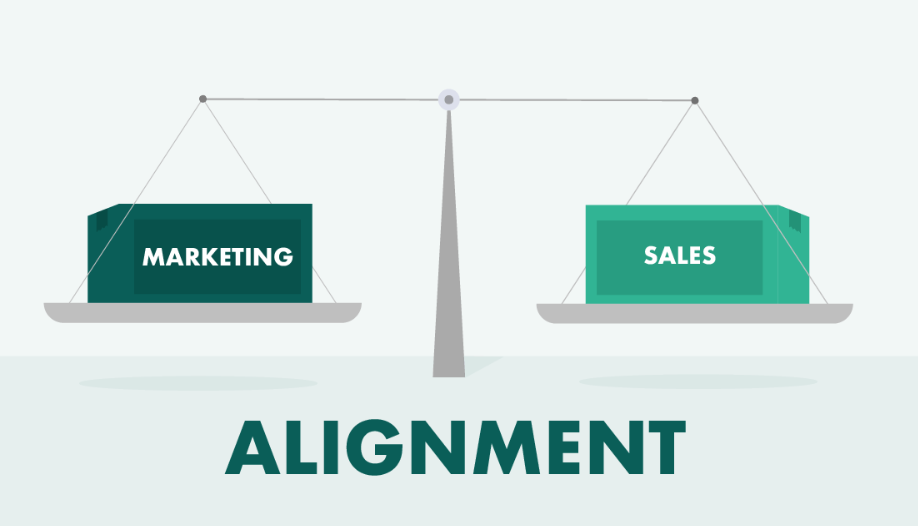
Aligning marketing and sales around pipeline and opportunity creation.
This balanced approach supports both scale and precision.
Final Thoughts
The debate between Account-Based Marketing and Demand Generation is increasingly becoming irrelevant.
The strongest organisations recognise that both approaches serve different but complementary purposes.
Demand Generation creates awareness.
ABM creates focus.
Demand Generation educates buyers.
ABM deepens relationships.
Demand Generation fills the pipeline.
ABM helps prioritise the opportunities that matter most.
Together, they create a more complete and effective growth strategy.
Because in modern B2B marketing, success is not about choosing between scale and precision.
It is about combining both to create sustainable revenue growth.