
Introduction
As B2B organizations enter 2026, customer experience is no longer defined by isolated interactions or support responsiveness. It is shaped by how well a company understands its customers, anticipates needs, and delivers value consistently across the entire lifecycle. Buyers now expect experiences that feel informed, timely, and relevant at every touchpoint. Artificial intelligence is becoming the foundation that makes this possible.
In 2026, customer experience shifts from reactive service delivery to proactive intelligence. AI enables organizations to understand customer behavior in depth, coordinate engagement across teams, and respond to changes before they escalate into problems. This transformation touches marketing, sales, onboarding, product adoption, support, and renewal.
Why Customer Experience Is a Strategic Priority in 2026
Customer expectations have evolved rapidly. Buyers research independently, compare options carefully, and involve multiple stakeholders in decision making. After purchase, they expect value to be delivered quickly and consistently. Any friction, delay, or lack of clarity weakens trust.
Several factors elevate the importance of customer experience in 2026:
- Longer buying cycles require sustained engagement
- Increased competition reduces tolerance for poor experiences
- Subscription and recurring models depend on retention
- Buyers expect personalization based on their context
- AI assisted buyers demand precision and relevance
Customer experience is no longer a downstream function. It is a core driver of revenue stability and growth.
The Shift From Reactive to Proactive Experience Management
Traditional customer experience models rely on customers raising issues before action is taken. This approach is too slow in a competitive B2B environment. AI enables proactive experience management by continuously analyzing behavior and identifying signals that indicate risk or opportunity.
AI driven systems monitor:
- Usage patterns and adoption depth
- Engagement frequency across channels
- Support interactions and resolution time
- Changes in stakeholder participation
- Feedback trends and sentiment indicators
This allows organizations to intervene early, address concerns, and guide customers toward successful outcomes.
How AI Is Reshaping the Customer Lifecycle
Awareness and Early Engagement
AI analyzes buyer behavior to deliver content and messaging aligned with customer interests. This creates early trust by demonstrating understanding rather than promotion.
Marketing teams use AI to guide buyers through relevant educational journeys that match their stage of evaluation.
Sales and Decision Support
During the evaluation phase, AI helps sales teams understand stakeholder priorities and tailor conversations accordingly. Buyers receive clarity instead of generic information, improving confidence in the decision.
Onboarding and Activation
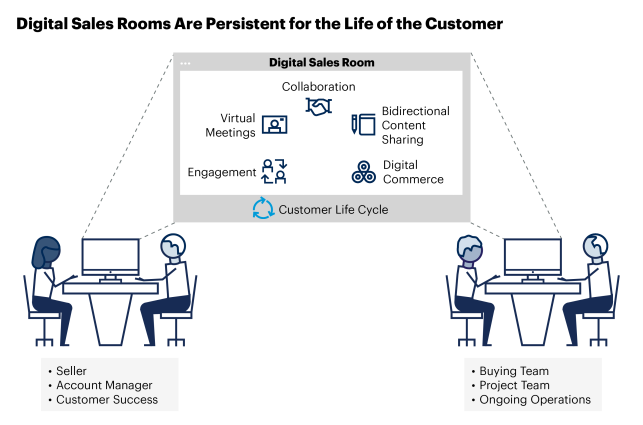
AI driven onboarding adapts to customer behavior. If adoption slows or confusion emerges, AI triggers targeted guidance or support. This reduces time to value and strengthens early satisfaction.
Product Usage and Adoption
AI monitors usage patterns and identifies features that customers are not adopting fully. It recommends education, best practices, or workflow adjustments that increase value realization.
Support and Service
AI assists support teams by prioritizing issues, identifying recurring problems, and recommending resolutions based on historical data. Customers receive faster and more consistent support.
Retention and Expansion
AI predicts churn risk by detecting changes in engagement, usage, and sentiment. It also identifies customers ready for expansion based on growth signals and adoption maturity.
Cross Functional Impact of AI Led Customer Experience
Customer experience in 2026 is a shared responsibility across teams.
Marketing gains insight into what content influences long term engagement.
Sales benefits from smoother handoffs and better post sale alignment.
Customer success operates with predictive visibility rather than reactive workflows.
Product teams gain clarity on how customers use features and where improvements are needed.
Leadership gains confidence in retention forecasting and lifetime value projections.
AI acts as the connective intelligence layer that unifies these functions.
Why AI Driven Customer Experience Creates Competitive Advantage
Organizations that adopt AI led experience management operate with greater consistency and confidence. They reduce churn, increase expansion, and strengthen customer advocacy.
Key advantages include:
- Faster issue detection
- Higher customer satisfaction
- Improved retention rates
- More predictable revenue
- Stronger long term relationships
In crowded B2B markets, experience quality becomes a defining differentiator.
Challenges Organizations Must Address
Implementing AI led customer experience requires strong foundations.
Common challenges include:
- Fragmented customer data across systems
- Inconsistent engagement processes
- Limited visibility into stakeholder behavior
- Skills gaps in interpreting AI insights
- Governance requirements around data use
Organizations must address these challenges to unlock the full value of AI driven experience.
What Leaders Should Focus On in 2026
To succeed, B2B leaders should prioritize:
- Unifying customer data across the lifecycle
- Aligning teams around shared experience metrics
- Using AI insights to guide proactive engagement
- Training teams to work with predictive signals
- Measuring success based on customer outcomes
AI should support human empathy and judgment, not replace it.
The Future of B2B Customer Experience
As AI continues to evolve, customer experience will become increasingly adaptive. Systems will learn from every interaction and adjust engagement automatically. Organizations will deliver consistent, personalized experiences at scale without increasing manual effort.
Customer experience will shift from a support function to a strategic growth engine.
Conclusion
In 2026, AI led intelligence transforms B2B customer experience from reactive service to proactive value creation. Organizations that invest in understanding customer behavior deeply and responding intelligently will build trust, loyalty, and long term growth. Customer experience is no longer about solving problems quickly. It is about anticipating needs and delivering value continuously. AI makes this possible at scale.