Introduction
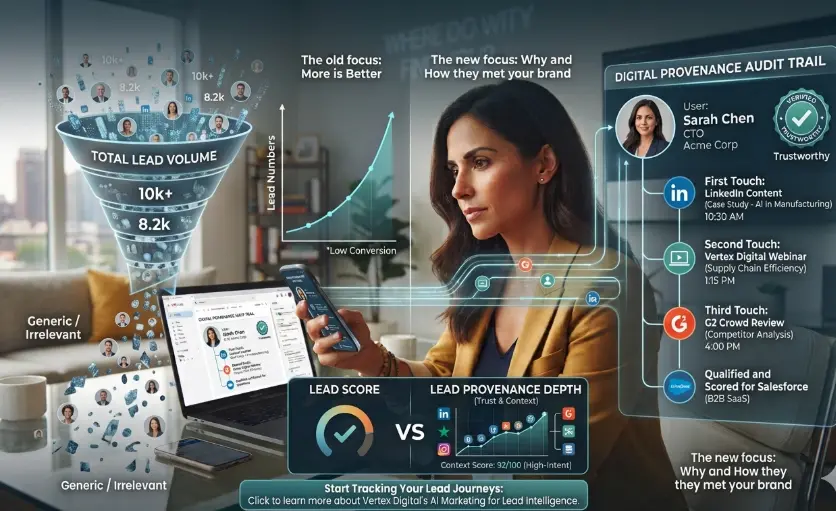
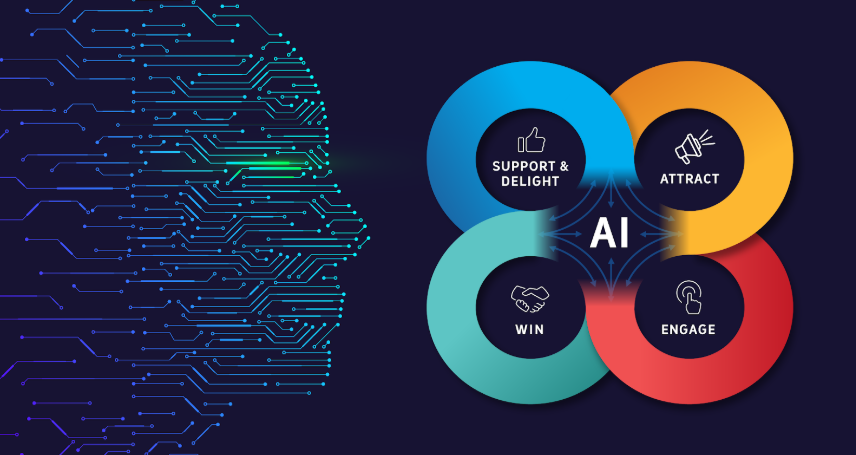
Enterprise marketing is entering a period of rapid transformation as artificial intelligence begins to influence every stage of the buyer journey. Traditional funnels and rigid nurture tracks are losing relevance as modern customers demand real time experiences that adapt to their needs, preferences, and motivations. The rise of AI powered buyer journeys reflects a fundamental shift in how organizations attract, educate, and convert potential customers in the B2B landscape. What was once a linear path from awareness to consideration has evolved into a dynamic ecosystem driven by behavioral intelligence and automated decision making.
AI powered journeys do not simply replace existing processes. They enhance them through deeper insight, improved timing, and contextual personalization. This evolution is changing how marketing, sales, and revenue teams work together and redefining what is possible in enterprise engagement.
The Shifting Expectations of B2B Buyers
Modern B2B buyers behave differently compared to previous generations. They research independently, seek trusted content sources, and expect brands to anticipate their questions before they ask them. They are influenced by digital interactions that provide clarity, relevance, and support without unnecessary friction. AI powered journeys help brands meet these expectations by creating pathways that adapt based on real time behavior.
The buyer journey is no longer a fixed structure. It is a fluid experience shaped by intent, learning style, stage of research, role, and urgency. AI interprets these signals and adjusts the journey accordingly, allowing organizations to guide prospects more effectively toward meaningful interactions.
How AI Transforms the Buyer Journey
There are several core ways artificial intelligence is reshaping how enterprise customers navigate their decision making process.
- Adaptive Orchestration
Traditional nurture programs rely on scheduled email sequences that progress regardless of buyer behavior. AI powered orchestration adapts automatically. If a prospect shows deeper interest in a specific topic, the system enhances their experience with more targeted assets or offers direct paths to sales engagement. This reduces irrelevant messaging and creates a more natural flow. - Predictive Pathing
AI analyzes thousands of patterns to identify what similar buyers have done, which content influenced decisions, and which triggers indicate readiness. Predictive pathing uses this insight to recommend specific actions, messages, or touchpoints that increase the likelihood of progression. - Autonomous Personalization
Personalization in B2B marketing once depended on manual segmentation and broad persona categories. AI powered journeys allow for personalization that is behavioral, contextual, and multi dimensional. Buyers receive messaging aligned with their interests, industry, role, and stage in real time. - Journey Acceleration
AI enables high intent prospects to bypass unnecessary steps. If clear signals indicate strong interest or purchase readiness, the system moves prospects directly toward sales engagement, demos, or tailored consultations. This compression of decision cycles benefits both the buyer and the organization.
Cross Functional Impact Across the Enterprise
AI powered journeys are not solely a marketing solution. They influence several departments that contribute to revenue and customer success.
- Marketing teams gain efficiency through automation, improved targeting, and reduced manual workload.
- Sales teams receive better qualified accounts with a clear understanding of interest signals and content interaction patterns.
- Product teams gather insights about which features or value props resonate most with different segments.
- Customer success teams benefit from unified insights that reflect both pre purchase and post purchase behavior.
- Leadership teams see improved forecasting accuracy and stronger alignment across functions.
The integration of AI creates a revenue engine where insight flows continuously rather than in isolated stages.
The Role of Data and Behavioral Intelligence
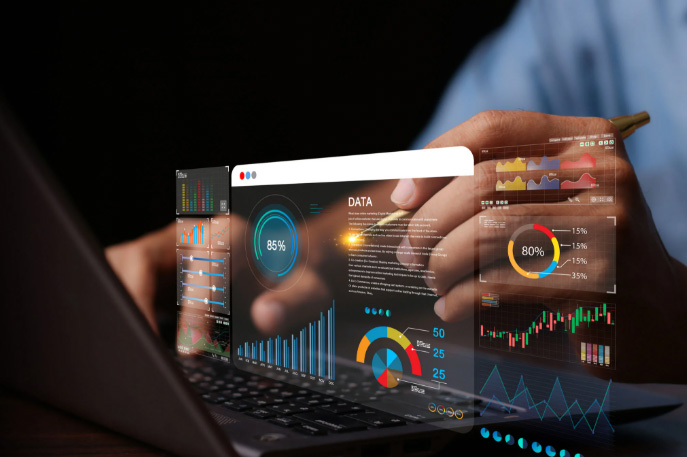
AI powered journeys depend heavily on high quality data. Behavioral signals provide the foundation for accurate predictions and effective personalization. Key data sources include content interactions, search behavior, topic consumption, time spent on assets, account engagement trends, and multi stakeholder involvement.
When combined, these signals create a multidimensional picture of the buyer. AI interprets this picture to determine what matters most, where engagement is strongest, and which actions are likely to influence progression. The result is a journey that feels intuitive for the buyer and impactful for the organization.
Building Effective AI Powered Journeys
Implementing AI driven buyer journeys requires a thoughtful approach that balances technology with strategy. The goal is not to automate everything but to enhance human decision making.
Key recommendations include:
- Define the ideal journey framework before deploying AI. Technology enhances strategy but does not replace it.
- Use intent and behavior signals to shape early and mid stage experiences.
- Create content designed for predictive models, including modular assets that can be personalized easily.
- Align marketing and sales teams around shared signals and timing triggers.
- Monitor post engagement behavior to inform future optimizations.
- Ensure data hygiene, since AI accuracy depends on clean and structured inputs.
Organizations that adopt these practices build journeys that adapt intelligently while preserving brand authenticity.
Challenges in Implementing AI Driven Journeys
Despite its benefits, AI powered journey design presents challenges for some teams. These include data silos, limited integration between systems, inconsistent signal tracking, lack of governance, and insufficient content depth. Additionally, some organizations struggle with unrealistic expectations, assuming AI can replace strategic planning. The most successful implementations occur when organizations combine strong human oversight with advanced automation.
The Future of Enterprise Buyer Journeys
The future of B2B engagement will be built on autonomy, precision, and intelligence. AI powered journeys will expand beyond marketing into sales orchestration, service pathways, and product education. Buyers will interact with brands through personalized routes that evolve continuously and reflect their individual needs.
In coming years, journey intelligence will likely become a foundational component of all enterprise growth strategies. Companies that invest early will build lasting advantage while those that resist transformation will struggle to keep up with buyer expectations.
Conclusion
AI powered buyer journeys represent a major step forward for enterprise marketing. They bring clarity to complex buying processes, reduce manual workload, and elevate the relevance of every interaction. By combining behavioral intelligence with predictive automation, organizations can create pathways that feel personalized, intuitive, and timely. The shift to AI driven journeys is not a temporary trend. It is a new standard for how modern B2B buyers expect to be guided.
The enterprises that embrace this transformation will build deeper relationships, accelerate pipeline, and position themselves as leaders in a rapidly evolving market.