Every B2B team is seeing it.
Deals that used to close in 60 days now take 90.
90-day cycles stretch to 120.
Some opportunities drag on for months without clear movement.
The instinct is to blame the market.
Budget constraints. Economic uncertainty. Slower decision-making.
But that is only part of the story.
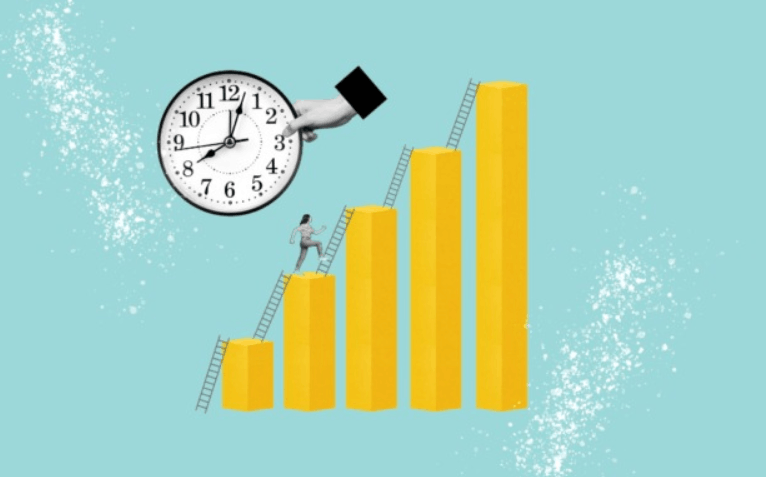
The real reason B2B sales cycles are getting longer in 2026 is not external.
It is structural.
And the companies that understand this are not just accepting longer cycles. They are actively shortening them.
The Real Reasons Sales Cycles Are Expanding
Longer sales cycles are not random. They are the result of specific shifts in how companies buy.
- More Stakeholders, More Complexity
As discussed earlier, buying committees are now the norm.
Every additional stakeholder adds:
- Another layer of evaluation
- Another set of questions
- Another approval step
What used to be a single-threaded conversation is now multi-threaded.
And unless managed properly, this naturally slows down decisions.
- Higher Risk, More Scrutiny
B2B purchases today are tied directly to:
- Cost efficiency
- Operational impact
- Long-term scalability
Which means buyers are more cautious.
They want:
- Proof, not promises
- Case studies, not claims
- Clear ROI, not assumptions
This increases the time spent in evaluation.
- Information Overload Slows Decisions
Ironically, more information does not speed up decisions. It slows them down.
Buyers now have access to:
- Endless content
- Multiple vendor comparisons
- Peer reviews and recommendations
Instead of accelerating decisions, this often creates hesitation.
Because more options mean more analysis.
- Poor Internal Alignment on the Buyer Side
This is one of the biggest hidden delays.
Inside most organizations:
- Teams are not aligned on priorities
- Stakeholders have conflicting goals
- Decision-making processes are unclear
Even if your solution is strong, the deal stalls because the buyer cannot align internally.
- Weak Qualification Early in the Funnel
Many delays start much earlier than expected.
When leads are:
- Low intent
- Poorly qualified
- Not ready to buy
They enter the pipeline prematurely.
Sales teams then spend weeks or months trying to push deals forward that were never ready in the first place.
Why Traditional Fixes Do Not Work
When sales cycles slow down, most companies react by:
- Increasing follow-ups
- Offering discounts
- Pushing urgency
These tactics rarely solve the problem.
Because they do not address the root cause.
If a deal is stuck due to:
- Lack of internal alignment
- Missing stakeholders
- Unclear value
No amount of follow-ups will fix it.
What High-Performing Teams Do Differently
The best B2B teams do not just try to close faster.
They design their entire process to remove friction from the buying journey.
- They Qualify for Readiness, Not Just Fit
Traditional qualification focuses on fit.
- Industry
- Company size
- Role
High-performing teams go further.
They qualify for:
- Buying intent
- Urgency
- Internal alignment
- Budget clarity
This ensures that only deals with real potential enter the pipeline.
- They Engage Multiple Stakeholders Early
Instead of waiting for deals to expand internally, they:
- Identify key stakeholders upfront
- Encourage multi-threaded conversations
- Bring different roles into discussions early
This reduces delays later in the process.
- They Simplify the Decision Process
Complex buying processes slow everything down.
High-performing teams make it easier by:
- Providing clear next steps
- Structuring decision frameworks
- Offering comparison insights
- Reducing ambiguity
The easier it is to decide, the faster deals move.
- They Focus on Business Outcomes, Not Features
One of the biggest reasons deals stall is unclear value.
When messaging focuses on:
- Features
- Capabilities
- Technical details
Buyers struggle to connect it to business impact.
High-performing teams focus on:
- ROI
- Efficiency gains
- Cost reduction
- Revenue impact
This creates clarity and urgency.
- They Actively Drive Internal Alignment
Instead of leaving it to the buyer, they help facilitate alignment.
This includes:
- Providing stakeholder-specific materials
- Addressing objections proactively
- Equipping champions with internal selling points
They do not just sell to one person.
They help that person sell internally.
- They Use Data to Identify Momentum
Not all deals move at the same pace.
High-performing teams track:
- Engagement signals across stakeholders
- Frequency of interactions
- Depth of conversations
This helps them identify:
- Deals that are progressing
- Deals that are stalling
- Deals that need intervention
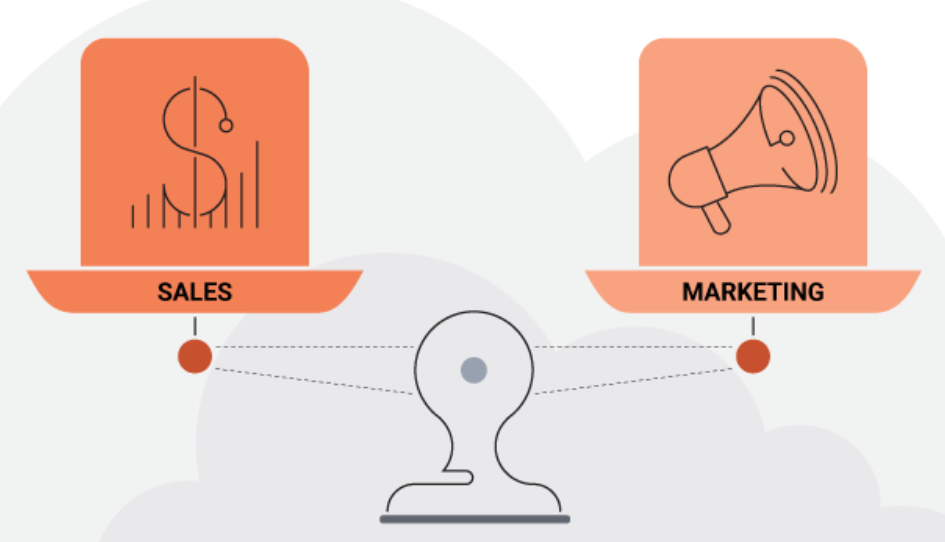
The Role of Marketing in Shortening Sales Cycles
Sales alone cannot fix this.
Marketing plays a critical role.
By:
- Creating content that addresses real objections
- Educating buyers before they enter the pipeline
- Building trust early in the journey
- Targeting high-intent accounts
Strong marketing reduces the effort required during the sales process.
Which directly shortens cycles.
Why Data and Targeting Matter More Than Ever
Many delays are caused by targeting the wrong audience.
When campaigns bring in:
- Low-intent prospects
- Irrelevant roles
- Misaligned accounts
Sales cycles naturally extend.
Because the deal was never strong to begin with.
Precision targeting reduces this problem significantly.
Where Most Companies Still Struggle
Despite knowing these challenges, many companies:
- Focus on pushing deals instead of improving inputs
- Ignore early-stage qualification
- Fail to engage buying committees effectively
- Lack visibility into deal progression
Because fixing sales cycles requires changes across:
- Marketing
- Sales
- Data
- Strategy
Not just one function.
The Real Shift: From Closing Faster to Buying Smarter
The biggest mindset change is this:
You cannot force buyers to move faster.
But you can help them buy more efficiently.
That is what shortens sales cycles.
- Better information
- Clearer value
- Stronger alignment
- Less friction
Final Thought
Longer sales cycles are not just a market trend.
They are a signal.
A signal that B2B buying has become more complex, more informed, and more deliberate.
The companies that win are not the ones that push harder.
They are the ones that remove the barriers that slow buyers down.
Because in 2026, speed does not come from pressure.
It comes from clarity.