Introduction
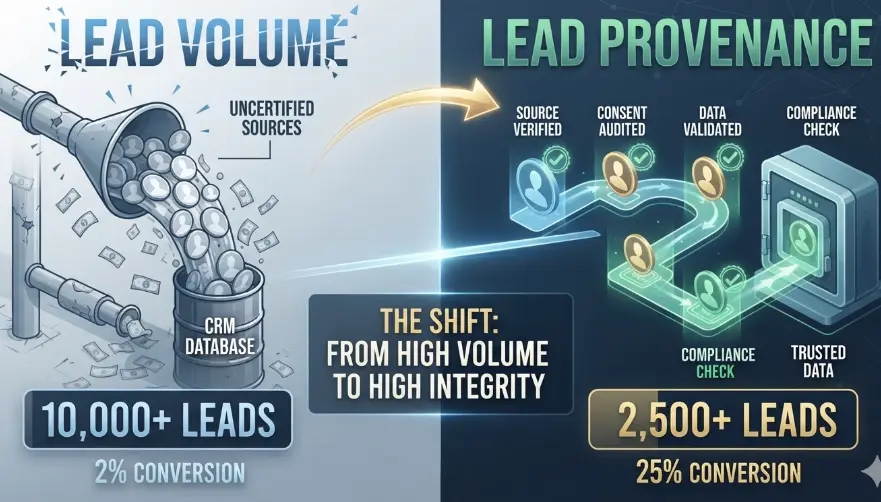
Demand generation in B2B has always been about one core objective: creating predictable pipeline. For years, organizations relied on volume driven strategies, broad targeting, and campaign based execution to generate leads. In 2026, this model is rapidly becoming ineffective.
The shift is being driven by two major forces. First, buyer behavior has evolved. B2B buyers now conduct independent research, engage across multiple channels, and interact with content long before speaking to sales. Second, artificial intelligence is transforming how organizations identify, engage, and convert these buyers.
As a result, demand generation is moving from a volume based approach to an intelligence driven model that focuses on precision, timing, and relevance. AI is at the center of this transformation.
Why Traditional Demand Generation Is Losing Effectiveness
The traditional demand generation model was built on scale. The assumption was simple. More leads would result in more opportunities. This approach created several challenges.
Low Conversion Quality
High lead volume often came at the cost of relevance. Many leads were not ready to buy, resulting in wasted effort for sales teams.
Disconnected Sales and Marketing
Marketing teams focused on generating leads, while sales teams focused on closing deals. This lack of alignment reduced efficiency across the funnel.
Delayed Feedback Loops
Campaign performance was often evaluated after execution, making it difficult to optimize in real time.
Limited Visibility Into Buyer Intent
Organizations struggled to identify which prospects were actively researching solutions and which were not.
In 2026, these limitations are being addressed through AI driven demand generation strategies.
The Shift to Intelligence Driven Demand Generation
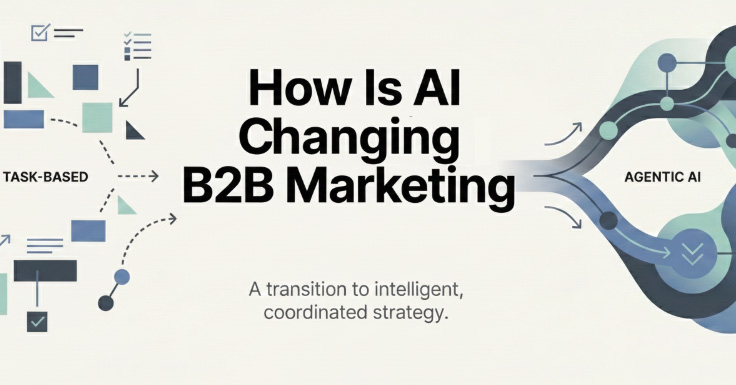
AI enables organizations to move from reactive campaigns to proactive pipeline development. Instead of waiting for leads to convert, organizations can identify and engage buyers based on real time signals.
Intent Based Targeting
AI analyzes behavioral data across multiple channels to identify prospects showing active interest in specific solutions. This allows organizations to focus on accounts that are more likely to convert.
Dynamic Audience Segmentation
Traditional segmentation relied on static criteria such as industry or company size. AI enables dynamic segmentation based on behavior, engagement patterns, and buying stage.
Real Time Campaign Optimization
AI continuously analyzes campaign performance and adjusts targeting, messaging, and channel allocation. This improves efficiency and reduces wasted spend.
Predictive Pipeline Development
AI models can forecast which accounts are likely to move through the funnel, allowing organizations to prioritize resources effectively.
Redefining the Role of Marketing and Sales
The integration of AI into demand generation is redefining how marketing and sales teams operate.
Marketing as a Revenue Driver
Marketing is no longer limited to lead generation. It plays a central role in pipeline development by identifying opportunities, nurturing prospects, and supporting conversion.
Sales as a Strategic Engagement Function
Sales teams are focusing less on prospecting and more on engaging qualified opportunities. AI provides insights that help sales teams personalize interactions and build stronger relationships.
Shared Accountability
Marketing and sales teams are increasingly measured against shared metrics such as pipeline contribution, conversion rates, and revenue impact.
Key Components of a Modern Demand Generation Strategy
To succeed in 2026, B2B organizations must adopt a more integrated and intelligence driven approach.
Unified Data Infrastructure
Data from CRM systems, marketing platforms, and customer interactions must be integrated to provide a complete view of the buyer journey.
AI Powered Analytics
Advanced analytics tools enable organizations to identify trends, predict outcomes, and optimize strategies in real time.
Content Personalization at Scale
AI supports the creation and delivery of personalized content tailored to specific audiences and buying stages.
Multi Channel Orchestration
Demand generation strategies must integrate multiple channels, including email, social media, webinars, and content syndication, within a coordinated framework.
Impact on Pipeline Quality and Revenue Performance
The adoption of AI driven demand generation has a direct impact on pipeline quality.
Higher Conversion Rates
By focusing on intent driven targeting, organizations engage prospects who are more likely to convert.
Shorter Sales Cycles
Better alignment between marketing and sales reduces friction in the buyer journey.
Improved Forecast Accuracy
Predictive analytics provide more reliable insights into pipeline performance.
Better Resource Allocation
Organizations can allocate resources more effectively by prioritizing high value opportunities.
Challenges in AI Driven Demand Generation
While the benefits are significant, organizations must address several challenges.
Data Quality and Integration
AI systems depend on accurate and consistent data. Poor data quality reduces effectiveness.
Technology Complexity
Integrating multiple platforms and tools requires careful planning and execution.
Change Management
Teams must adapt to new workflows and rely on AI insights, which requires training and cultural alignment.
Strategic Recommendations for B2B Leaders
To build a successful demand generation strategy in 2026, organizations should:
Focus on Buyer Intent
Shift from volume driven targeting to intent based engagement.
Align Sales and Marketing
Create shared goals and metrics to ensure collaboration across teams.
Invest in Data Infrastructure
Build systems that support real time data integration and analysis.
Adopt Continuous Optimization
Use AI to refine strategies based on performance insights.
Partner With Specialized Experts
Work with partners who understand both demand generation and data driven strategy.
The Pineapple View Media Perspective
Demand generation is no longer about generating leads. It is about building pipeline with precision and consistency. Pineapple View Media focuses on combining audience intelligence, data driven targeting, and strategic execution to help B2B organizations create meaningful engagement and high quality pipeline.
In a landscape where buyers are more informed and competition is increasing, the ability to deliver relevance at the right time becomes the defining factor.
Conclusion
AI is reshaping demand generation in B2B by introducing intelligence, precision, and adaptability into pipeline strategy. Organizations that move beyond volume based approaches and embrace data driven engagement will be better positioned to drive consistent growth.
In 2026, the future of demand generation is not about doing more. It is about doing what matters, at the right time, for the right audience.