Most B2B demand gen strategies in 2026 look remarkably similar. Run some LinkedIn ads. Syndicate a few whitepapers. Host a webinar. Send some emails. Report on MQLs.
And most of them deliver remarkably similar results: Lots of activity, not much pipeline.
The problem isn't effort. Every marketing team is working hard. The problem is that the standard playbook is broken. It was built for a different era, when buyers consumed content differently and tolerated more interruption.
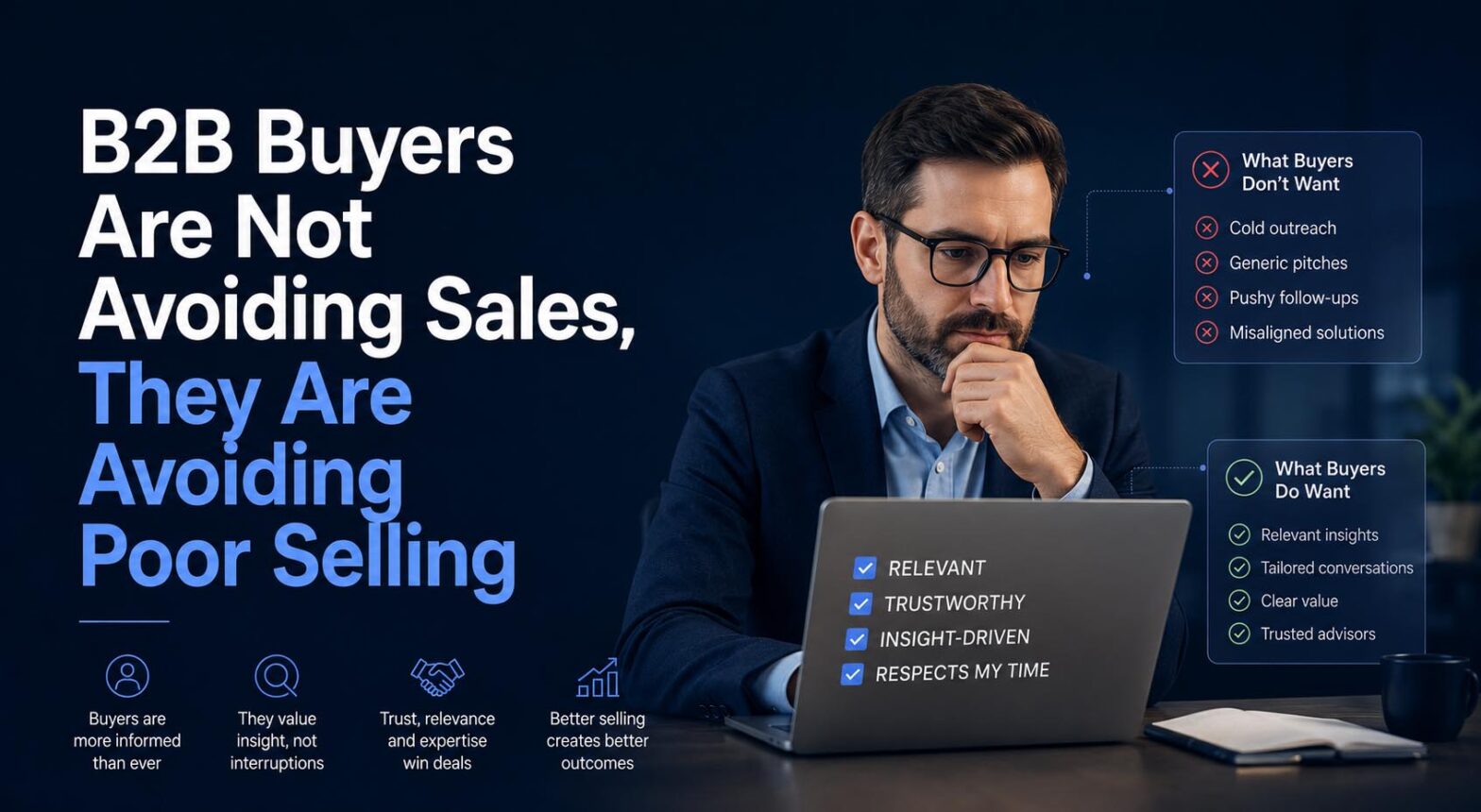
In 2026, buyers are more informed, more skeptical, and more selective about who they engage with. The old playbook doesn't work anymore.
Here's what does.
Let's start by understanding what most B2B companies are still doing.
Build a whitepaper or an ebook. Gate it behind a form. Call it "premium content."
The goal is to capture contact information in exchange for value. The assumption is that if someone downloads your content, they're interested in your solution.
Run LinkedIn ads to your target personas. Syndicate the content through a third-party network. Post it on social. Email your database.
The goal is to generate as much volume as possible. More downloads = more leads.
Use lead scoring to identify which contacts are "engaged." Route them to sales based on some threshold of activity.
The assumption is that engagement equals buying intent.
Hand the leads off to your sales team and hope they convert.
The assumption is that if someone filled out your form, they're ready to talk.
This playbook generates leads. But it doesn't generate pipeline.
The contacts you capture aren't necessarily buyers. They're people who wanted your content. That's not the same thing.
The volume you generate isn't targeted. You're reaching anyone who might be interested, not the specific people who are actually in-market.
And your sales team is drowning in low-quality leads while real opportunities slip through the cracks.
The companies that are winning in 2026 have completely rethought their demand gen strategy. They've stopped optimizing for volume and started optimizing for precision.
Don't start with content creation. Start with account identification.
Which companies are actively researching solutions in your category right now? Which ones fit your ICP? Which ones have the budget and need to actually buy?
Use intent data. Use technographic signals. Use hiring patterns. Use any signal that indicates a company is in-market.
This is your target list. Everything else flows from here.
Once you've identified your target accounts, validate them. Make sure the data is clean. Make sure the contacts are accurate. Make sure you understand the org structure and decision-making process.
This is where most teams skip a step. They go straight from "this company looks promising" to "let's blast them with outreach."
Don't do that. Invest the time to ensure your data is solid before you spend a dollar on campaigns.
Now you can create content and campaigns. But instead of broad promotion, you're doing precision targeting.
Your content speaks directly to the challenges that your target accounts are facing. Your messaging reflects where they are in their buying journey. Your channels are chosen based on where your actual buyers spend time.
This isn't mass marketing. This is surgical targeting.
When you reach out to someone, you're not asking them to fill out a form and download generic content. You're starting a conversation based on what you know about their business.
"I saw your company is hiring for a new security role. We work with companies in your industry to solve [specific challenge]. Would it make sense to connect?"
That's contextual engagement. It's personal. It's relevant. And it works.
Stop measuring MQLs. Start measuring pipeline contribution.
How many opportunities did your demand gen program create? How much revenue influenced? What's your cost per closed deal?
Those are the metrics that matter. And they're the metrics that show whether your strategy is actually working.
Let's be clear about what separates the new playbook from the old one.
The old playbook chases lead counts. The new playbook chases conversion rates.
You might generate fewer top-of-funnel leads. But the leads you generate convert at 3x or 5x the rate. That's what drives revenue.
The old playbook starts with content and hopes it finds the right audience. The new playbook identifies the audience first, then creates content specifically for them.
That shift changes everything.
The old playbook assumes that if someone filled out a form, the data is good. The new playbook verifies every contact before it enters your system.
This eliminates the wasted time and frustration that comes from chasing bad leads.
The old playbook treats every lead the same. The new playbook tailors engagement based on what you know about the account, the contact, and their current situation.
That personalization is what breaks through the noise.
Making this shift isn't easy. It requires different tools, different processes, and different mindsets.
You need reliable intent data. You need accurate contact databases. You need tools to enrich and validate your data continuously.
Most companies underinvest here. They spend money on campaigns but skimp on data quality. That's backwards.
The new playbook doesn't work if marketing is measured on MQLs and sales is measured on closed deals. You need shared metrics. Shared definitions. Shared accountability.
That requires executive sponsorship and cultural change.
This is the hardest part. When you shift to precision targeting, your lead volume goes down. At least at first.
That makes executives nervous. It makes marketing teams defensive. But if you stick with it, the conversion rates more than make up for the volume difference.
Most in-house marketing teams don't have the bandwidth, expertise, or technology to execute this playbook on their own. They need partners who can help with targeting, validation, and precision engagement.
Not vendors who sell them lists. Partners who take accountability for results.
When this playbook is executed correctly, the outcomes are dramatic.
Instead of 10% of your leads being reachable, 70% or 80% are. Because you validated the data before you started outreach.
Instead of 5% of your leads being truly qualified, 30% or 40% are. Because you targeted in-market accounts from the start.
When you're engaging prospects at the right time with the right message, deals move faster. You're not trying to create demand. You're capturing demand that already exists.
High-quality leads cost more per lead but less per customer. Your customer acquisition cost drops because your conversion rates go up.
Here's the truth: Most companies won't make this shift. They'll keep running the old playbook because it's familiar, it's safe, and it generates activity.
But the companies that do make this shift will pull ahead. They'll build healthier pipelines. They'll close more deals. And they'll do it more efficiently.
Because in 2026, demand gen isn't about generating the most leads. It's about generating the right leads.
And the right leads don't come from broad campaigns and hopeful targeting. They come from precision, validation, and context.