
Introduction
Customer success is becoming a core revenue driver in B2B in 2026. With subscription and recurring revenue models now common, retention and upsell performance directly impact company growth. The modern customer success organization must shift from reactive support to predictive engagement. Artificial intelligence enables this transition by providing deeper insights into customer behavior, adoption patterns, and risk indicators that were previously hidden behind siloed data.
Why Predictive Engagement Matters
Buyer expectations have evolved. Customers expect tailored support, adaptive onboarding, and proactive recommendations that align with how they use products and services. With AI, customer success teams can detect warning signs of churn earlier, prioritize high value accounts, and tailor engagement strategies to each customer’s context.
Key Components of AI Driven Customer Success
- Predictive Churn Indicators
AI identifies patterns that indicate declining engagement before churn occurs. Metrics such as reduced usage frequency, disengagement from key features, and subtle changes in sentiment are all signals that AI can detect. Early detection enables timely intervention. - Tailored Onboarding Paths
Onboarding success is a key driver of long term adoption. AI analyzes customer behavior during initial weeks and recommends personalized next steps to solidify value realization. - Expansion Opportunity Signals
AI models spot signals of potential expansion based on usage growth, new team adoption, or increased engagement with advanced features. - Risk Prioritization
Not all risks carry the same weight. AI evaluates accounts based on overall health scores and potential revenue impact, allowing customer success teams to allocate attention where it matters most.
Implementing Predictive Customer Success
To operationalize predictive customer success:
- Align success goals with measurable health metrics.
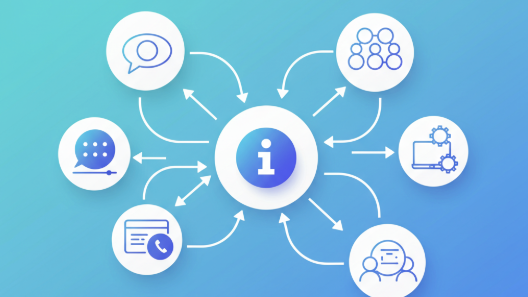
- Integrate usage, support, and engagement data into a single analytical layer.
- Use AI to continuously update scores and signals rather than relying on periodic manual reviews.
Measuring Impact
Success in predictive customer success can be seen in:
- Improved retention rates
- Increased customer lifetime value
- Reduced churn velocity
- Higher NPS and customer satisfaction scores
Conclusion
In 2026, customer success organizations that adopt AI are better positioned to anticipate customer needs, prioritize engagement, and drive growth. AI enables proactive decision making, deeper customer understanding, and more strategic interactions. Predictive engagement is now a competitive requirement, moving customer success from support to value creation.