Introduction
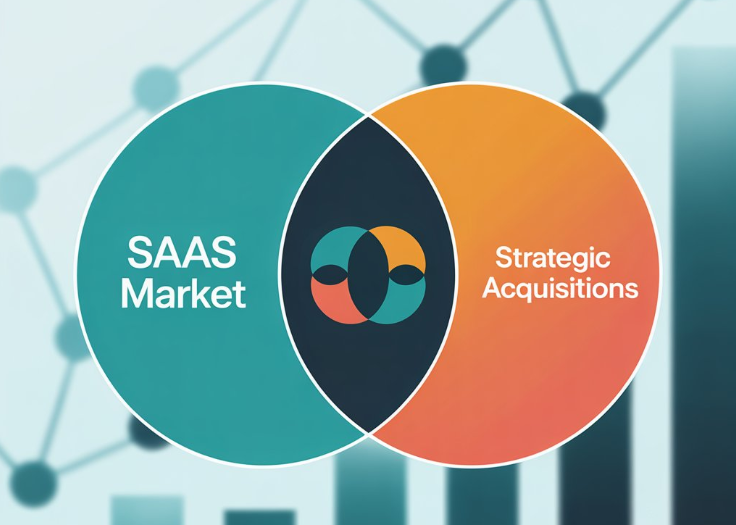
The global software landscape is experiencing a powerful shift as consolidation accelerates across the SaaS ecosystem. Economic pressure, rising costs of innovation, increased competition, and the rapid adoption of artificial intelligence are pushing software platforms to merge, acquire, or integrate into larger ecosystems. This consolidation wave is reshaping how enterprises evaluate vendors, choose technology partners, and build long term digital strategies. What once was a marketplace filled with countless specialized tools is becoming a more interconnected environment where platforms seek stability, breadth, and operational efficiency.
For enterprise buyers, this transformation presents both opportunity and complexity. Consolidation can lead to improved product reliability, more sophisticated features, and stronger support. However, it also raises concerns about pricing, dependency, and the potential loss of flexibility. Understanding these changes is essential for organizations building multi year digital transformation strategies.
Why SaaS Consolidation Is Accelerating
Several global forces are pushing the SaaS market into a new phase of ecosystem expansion.
- Rising Costs of Innovation
Artificial intelligence has increased the cost of staying competitive. Software companies must invest heavily in research, infrastructure, data processing, and machine learning capabilities. Smaller vendors often find it difficult to keep up and seek partnerships or acquisitions for survival.
- Buyer Preference for Unified Platforms
Enterprises want simplicity. Managing dozens of isolated tools creates operational friction, fragmented data, and integration challenges. Buyers are increasingly drawn to platforms that offer multiple capabilities under one framework.
- Market Saturation and Feature Overlap
Many tools in the market offer similar functionality. As overlap increases, vendors seek differentiation through consolidation rather than isolated product development.
- Need for Global Scale and Compliance
Modern software platforms must meet evolving compliance standards, offer global reliability, and support large distributed workforces. These requirements favor well resourced companies or merged entities.
- Search for Operational Stability
Economic uncertainty pushes organizations toward vendors that appear stable, well funded, and capable of long term support. Consolidation strengthens financial and technical resilience.
Impact on Enterprise Buyers
The consequences of SaaS consolidation ripple across multiple dimensions of enterprise technology strategy.
- Pricing Models Will Change
Consolidated vendors often adjust pricing to reflect expanded capabilities or ecosystem value. This can create cost efficiencies, but may also result in higher subscription tiers or bundled pricing structures.
- The Risk of Vendor Lock In Increases
As platforms integrate more features, switching becomes harder. While this creates seamless user experiences, it also means enterprises must evaluate long term commitment carefully.
- Integration Becomes Easier
One of the biggest advantages of consolidation is improved interoperability. Products under the same ecosystem naturally work better together, reducing integration complexity.
- Innovation May Accelerate
Larger platforms gain access to shared resources, unified AI engines, and better engineering talent. This often leads to more advanced product capabilities.
- Customer Support Quality May Shift
While consolidated vendors often improve support through centralized systems, transitions can also cause temporary disruptions. Enterprises must monitor support consistency during the post merger period.
- Compliance and Security Strengthen
Larger SaaS ecosystems can afford stronger security infrastructure, deeper compliance frameworks, and more specialized technical teams. This gives enterprises greater peace of mind when handling sensitive data.
Cross Functional Impact Inside the Enterprise
- IT Teams benefit from simplified system administration and reduced integration work.
- Marketing and sales teams gain access to broader toolsets that streamline workflows.
- Operations teams experience fewer data silos and more unified reporting.
- Finance teams must evaluate the long term cost impact of bundled pricing or platform wide contracts.
- Leadership teams need to assess how consolidation influences digital transformation roadmaps.
Each department plays a role in evaluating the long term stability and suitability of consolidated platforms.
Risks and Challenges for Enterprise Buyers
Although SaaS consolidation offers several advantages, organizations must navigate a variety of risks.
- Loss of Specialized Features
When products merge, overlapping functionalities often get streamlined or removed. Users who rely on niche features may lose capabilities during consolidation.
- Reduced Vendor Choice
As more companies merge into large ecosystems, the market becomes less diverse. This reduces the number of alternatives available to buyers.
- Possible Increase in Renewal Costs
Bundle pricing or ecosystem wide upgrades can increase total cost of ownership over time. Enterprises must review contracts to avoid unexpected price escalation.
- Cultural Misalignment After Mergers
When two platforms come together, differences in design philosophy, workflow patterns, or customer experience may create friction.
- Uncertainty During Transition Periods
Support teams, product roadmaps, and integration plans may shift during the first year after consolidation. Enterprises must track updates closely.
Strategic Recommendations for Enterprise Buyers
- Evaluate True Ecosystem Value
Do not assume bigger means better. Review whether the consolidated platform solves real problems for your teams or simply increases capabilities without purpose.
- Protect Data Portability
Ensure that contracts include rights to export data in structured formats. This helps mitigate vendor lock in and supports future migrations if needed.
- Reassess Integration Requirements
Consolidation often unlocks new integration options. Reevaluate your workflows to take advantage of easier connectivity.
- Conduct Risk Assessments on Roadmap Changes
Following consolidation, some features may be deprecated. Review upcoming changes and ensure critical capabilities remain supported.
- Review Pricing Strategy Annually
Monitor cost trends after platform changes. Consolidated ecosystems often revise pricing in cycles.
- Align Technology Decisions With Business Outcomes
Technology acquisition should support measurable goals such as productivity, revenue acceleration, or improved analytics. Do not adopt capabilities simply because they are bundled.
- Prioritize Platforms With Transparent Roadmaps
Strong documentation and public planning give confidence that the ecosystem will evolve in a predictable direction.
The Future of SaaS Consolidation
The next few years will likely bring even more consolidation as vendors aim to deliver unified AI experiences, broader automation layers, and simpler workflows. Instead of standalone tools, enterprises will rely on interconnected digital ecosystems that bring content, data, analytics, automation, and collaboration into one environment.
Future trends will include:
- Shared AI engines across multiple applications
- Unified data layers that support cross platform insights
- Seamless identity and access control
- Wider use of modular components instead of rigid products
- Increased focus on sustainability and efficiency within digital systems
Over time, enterprises will use fewer platforms but gain more integrated capabilities.
Conclusion
The new wave of SaaS consolidation is transforming how enterprises evaluate and adopt software. It introduces stability, power, and integration while also creating challenges related to pricing, choice, and long term commitment. The organizations that navigate this shift successfully will balance innovation with risk management, ensuring technology decisions align with business priorities. In the evolving world of enterprise software, strategic oversight and proactive planning will determine which teams gain advantage and which struggle to adapt.