Introduction
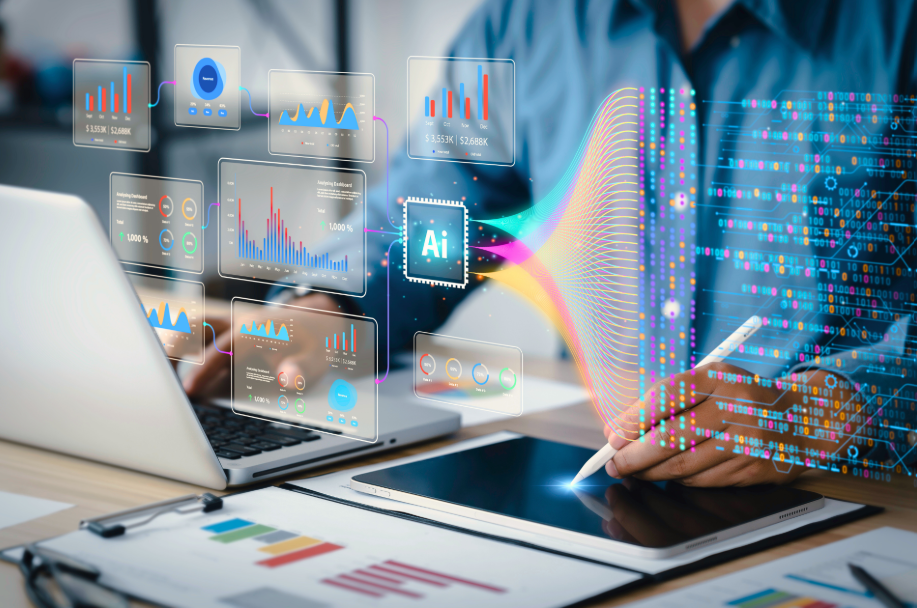
Global IT spending is entering a transformative phase as organizations race to modernize infrastructure, strengthen security, and build foundations for artificial intelligence. The shift is visible across every region and industry. Enterprises are reallocating budgets toward technologies that support automation, data intelligence, and scalable computing. What once required years of planning is now a strategic priority driven by competitive pressure, operational risk, and the accelerating pace of digital change. The transition from legacy systems to AI ready infrastructure is not simply an upgrade. It is a structural reinvention of how enterprises process information, support users, and prepare for long term growth.
As new priorities emerge, IT leaders face increasing urgency to evaluate their existing environments, reallocate spend, and create a roadmap that aligns with the realities of modern workloads. The organizations that invest proactively will gain the agility required to respond to market changes, protect their assets, and integrate advanced technologies into everyday operations.
Why IT Spending Is Shifting Dramatically
Several global forces are contributing to the rise of AI centric infrastructure spending. The demand for scalable compute power is increasing. Hybrid work models require stronger security frameworks. Data volumes continue to multiply. Automation is becoming a core part of operational strategy. Each of these changes requires infrastructure that is flexible, resilient, and capable of supporting advanced workloads.
Traditional systems that were once adequate are now limiting innovation. They restrict the use of complex models, hinder real time insights, and create security vulnerabilities. As a result, IT teams are modernizing platforms and adopting solutions that address the needs of dynamic, high performance environments.
The Core Drivers Behind IT Budget Growth
- Expansion of AI Workloads
AI models require significant computational resources. Training and deployment demand specialized hardware, scalable clusters, and high throughput networking. As AI adoption spreads across departments such as marketing, finance, operations, and customer service, enterprises must build infrastructure that supports sustained performance.
- Acceleration of Cloud Migration
Hybrid and multi cloud environments allow organizations to scale resources dynamically. These models support global teams, improve continuity, and provide cost flexibility. The shift toward cloud based platforms is accelerating because they offer the adaptability required for AI powered applications.
- Increased Focus on Cybersecurity
Cyber threats are becoming more sophisticated. Enterprises are investing heavily in frameworks that protect data across devices, networks, and cloud endpoints. Authentication, identity governance, encryption, and threat prevention tools now take significant portions of IT budgets.
- Data Infrastructure Modernization
Data is the foundation of every AI initiative. Organizations are upgrading storage systems, pipelines, and governance frameworks to ensure data is clean, structured, and ready for intelligent applications. Investments include data warehouses, quality monitoring, and real time processing platforms.
- Growth of Remote and Hybrid Operations
The shift to flexible work models requires secure access layers and collaboration systems that operate reliably across distributed teams. Infrastructure must support bandwidth, resilience, and seamless connectivity regardless of location.
Impact Across the B2B Ecosystem
The shift toward AI ready infrastructure has far reaching effects.
- IT leaders prioritize long term stability and performance over short term savings.
- Finance teams focus on predictable cost models and clear ROI from modernization.
- Marketing and operations gain access to faster analytics and improved automation capabilities.
- Security teams benefit from advanced tooling that reduces risk.
- Business leadership gains confidence in the organization’s ability to compete in an AI driven economy.
These cross functional benefits reinforce the value of infrastructure modernization.
The Evolution of Enterprise Architecture
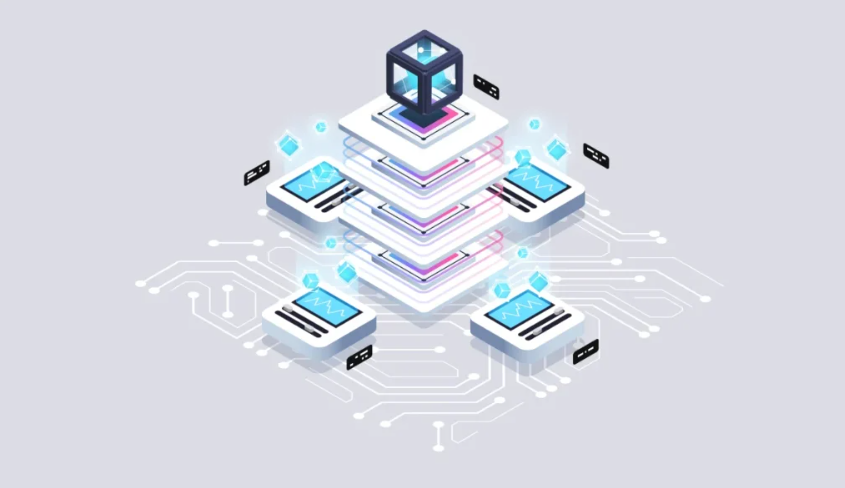
Modern IT architecture is moving away from monolithic structures toward distributed environments that support advanced computation and rapid scaling. This evolution includes the expansion of edge computing, containerization, microservices based design, and automated orchestration. These approaches reduce operational overhead and enhance the ability to deploy applications quickly.
For AI readiness, architecture needs to support:
- High performance GPUs and compute clusters
- Distributed data storage
- Real time data access
- Strong integration capabilities
- Automated scaling
- Secure user authentication and workload isolation
Enterprises that adopt these design principles gain the flexibility required to implement AI at scale.
Challenges in Achieving AI Ready Infrastructure
Although the transition is critical, it is not easy. Organizations face several challenges.
- Legacy System Complexity
Many enterprises still rely on older systems deeply embedded in operations. Replacing or integrating these systems is often resource intensive. Poor documentation, fragmented systems, and high dependency workloads complicate modernization.
- Data Inconsistency and Fragmentation
AI performance depends on high quality data. Many organizations struggle with inconsistent formats, outdated records, and siloed systems. Cleaning and unifying data across departments is one of the most significant barriers to AI readiness.
- Skill Gaps Across IT Teams
Infrastructure modernization requires expertise in cloud engineering, cybersecurity, automation, and distributed systems. Many organizations face difficulty hiring or training teams with these specialized skills.
- Budget Pressures and Cost Complexity
AI ready infrastructure can be costly. Leaders must balance innovation with budget discipline, ensuring long term ROI. Transparent cost models and accurate forecasting are essential.
- Integration with Existing Tools and Workflows
Infrastructure must fit within the operational fabric of the organization. Integrating new systems with legacy applications, compliance frameworks, and departmental workflows requires careful planning.
Strategic Recommendations for IT Leaders
- Create a phased modernization roadmap
Divide large modernization projects into manageable phases. Focus on high impact areas first, such as data architecture and security. - Adopt hybrid models for flexibility
Hybrid environments provide the scalability of cloud systems with the control of on premise infrastructure. - Invest in data governance early
Clean and structured data is essential for AI success. Establish quality checkpoints, ownership models, and standardized processes. - Strengthen cybersecurity posture
Integrate security into every stage of infrastructure modernization. Prioritize identity protection, access control, and network segmentation. - Coordinate with business teams
Involve stakeholders across marketing, sales, operations, and finance to ensure infrastructure investments support enterprise goals. - Plan for long term scalability
AI technologies continue to evolve. Build systems that can support future workloads without significant redesign.
The Future of IT Infrastructure
The future of enterprise technology will center on flexibility, intelligence, and secure design. Infrastructure will become increasingly autonomous, capable of optimizing performance, allocating resources, and detecting threats with minimal human intervention. AI will be embedded not only in applications but in the infrastructure itself.
Organizations that invest now will benefit from operational stability, competitive advantage, and accelerated innovation.
Conclusion
Global IT spending is shifting toward systems that support AI driven operations and secure, scalable growth. The investment in modern infrastructure reflects a larger transformation in how enterprises operate and compete. AI readiness is no longer optional. It is a defining requirement for future success. B2B organizations that modernize today will unlock new capabilities, improve efficiency, and position themselves as leaders in an increasingly digital world.